What People Mean When They Talk About 'Almond Moms' and 'Butter Moms'
If you’ve been hearing phrases like “almond mom” or “butter mom” and aren’t quite sure what to make of them (maybe a younger family member used one at dinner, maybe you keep seeing them scroll by on social media) you’re not alone.
These terms, born on TikTok and now spreading into everyday conversation, carry real weight for a generation of parents rethinking how they feed their families. Understanding what’s behind them can open up more productive conversations about food, bodies and what nourishment actually looks like today.
Here’s what these terms mean, what’s driving them and why none of it is really about blame.
The Definitions, Simply Put
An “almond mom” describes a parent rooted in diet culture, restriction and wellness perfectionism. Think of the mother who counted every calorie out loud, labeled desserts as “bad” or suggested a handful of almonds when her child said she was hungry. The phrase isn’t meant to describe a villain. It captures a pattern of behavior that was extremely common and, for a long time, culturally encouraged.
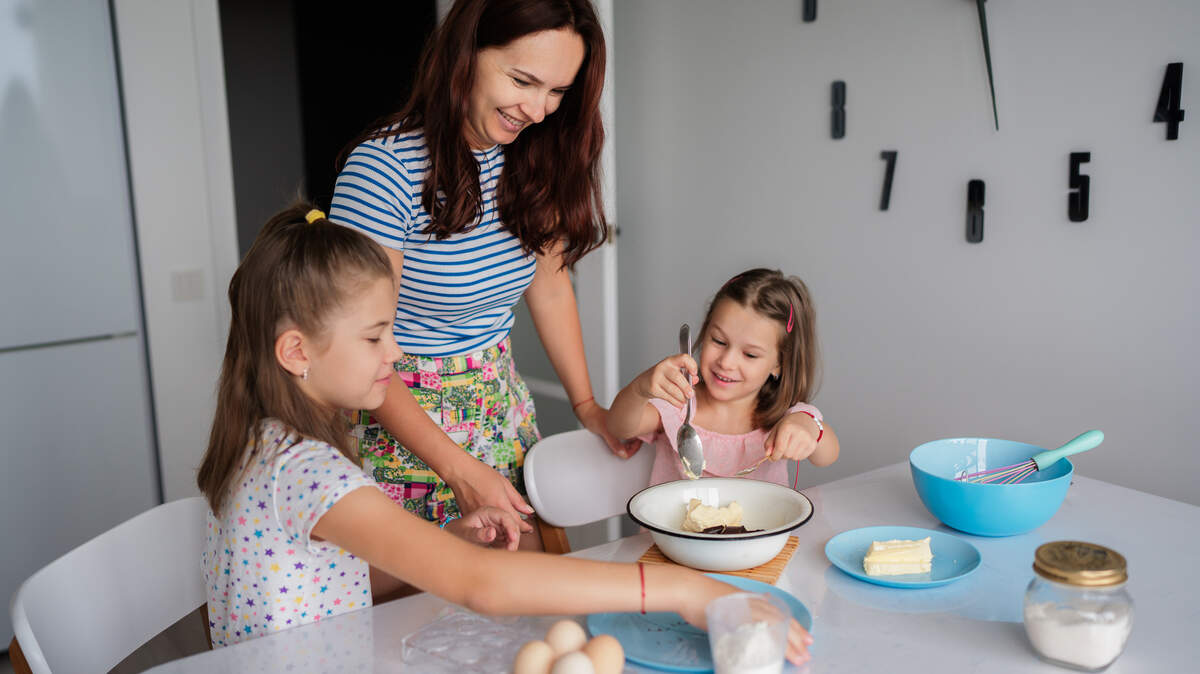
A butter mom, by contrast, prioritizes wholesome, scratch-made meals using real, whole ingredients, no strict food rules and a judgment-free approach to eating at home. Butter moms as parents who embrace an “all foods fit” mindset while steering away from ultra-processed foods. Licensed therapist and creator Johanna Kulp, who helped popularize the term, has said her mission is making sure her kids never feel bad about food or their bodies.
If this sounds a lot like how an older generation cooked — real butter, meals from scratch, everyone at the table — that’s not a coincidence. In many ways, the butter mom movement circles back to a tradition of home cooking that predates the low-fat craze and the diet industry reshaping American kitchens for decades.
Why This Became a Cultural Moment
Many millennials came of age during the height of fat-free marketing, calorie-counting apps and body standards that permeated magazines, television and household conversations. Diet culture wasn’t an individual failing. It was a societal force that shaped nearly everyone, across generations and family structures alike.
Now, attitudes are shifting. A 2026 survey found 60% of Americans prefer flexibility in how they eat, with roughly 25% no longer wanting to label foods “good” or “bad.” And the pull toward the family table is real: HelloFresh’s 2025-2026 State of Home Cooking report found millennials lead all generations in regular sit-down family dinners, with 76% doing so most or every day of the week.
That’s not a social media aesthetic. That’s a value system playing out at dinnertime.
This Is Backed by Research
This is not just a social media moment. A 2025 academic paper explored the almond mom archetype as intergenerational critique, framing it as a deliberate move by younger parents to break patterns they experienced in childhood. Parental food attitudes directly shape children’s long-term relationship with eating, and research shows that early, active involvement in cooking has more lasting impact than simply watching someone else do it.
Beyond the parenting conversation, butter itself became a symbol of accessible comfort in 2025 and into 2026, showing up in viral recipes, butter boards and dinner table centerpieces, particularly during a period of economic uncertainty when people reached for what felt real and grounding.
What This Actually Looks Like in Practice
If someone in your life has asked you not to comment on a child’s appetite, portion size or body, this is likely the framework behind that request. It is not personal. It is part of a broader rethinking of how food language shapes young minds, and it applies whether you’re a parent, a grandparent, a caregiver or simply someone who shares meals with kids.
A few things worth keeping in mind:
- “Almond mom” and “butter mom” are cultural shorthand, not clinical diagnoses. They describe patterns, not people.
- Many parents today avoid labeling any food “good” or “bad.” Following their lead at shared mealtimes is one of the simplest ways to show support.
- Getting kids actively involved in cooking matters more than it might seem. Hands-on time in the kitchen builds a relationship with food that lasts well beyond childhood.
This is not about erasing anyone’s experience. The diet culture that shaped previous generations was powerful and pervasive. Recognizing its influence is not the same as accepting blame.
The butter mom trend, at its core, is about nourishment over performance — feeding children with warmth, real ingredients and without anxiety. The vocabulary may be new. The values underneath it are ones most people, across generations, can recognize.
This article was created by content specialists using various tools, including AI.