
Don’t Wait for the Heat Wave: 7 Gardening Tasks That Will Help Protect Your Yard This Summer
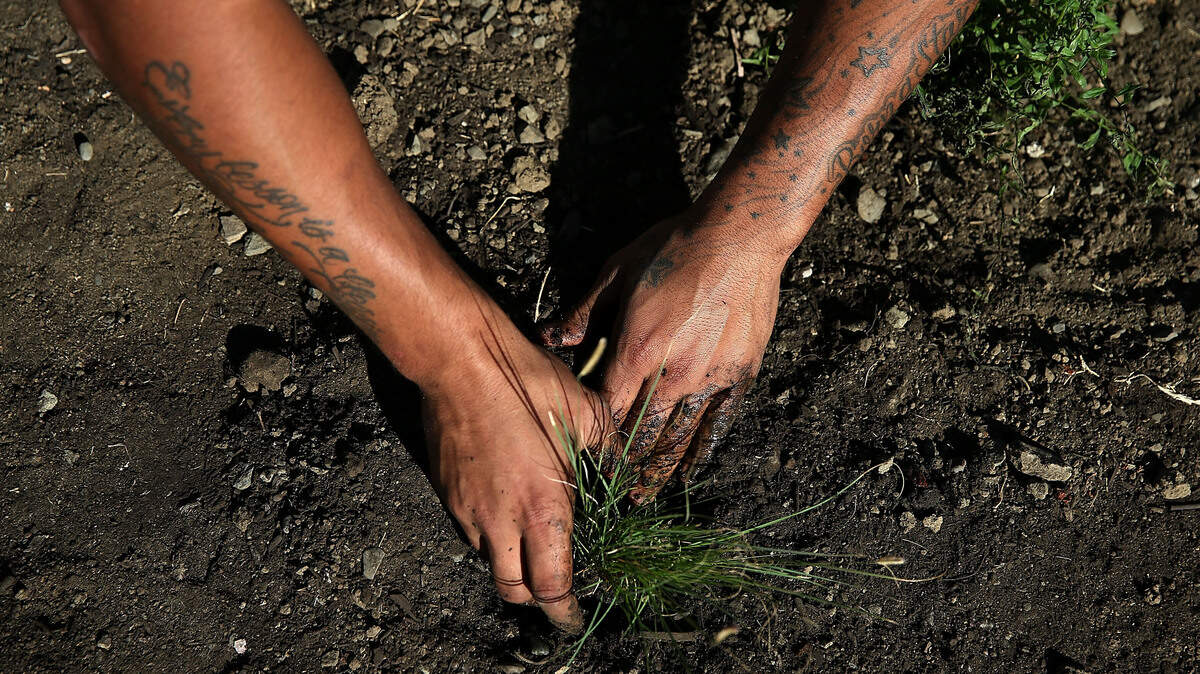
As temperatures start to climb, your yard is entering a critical window. The work you do now — before the hottest days hit — can mean the difference between a thriving landscape and one that struggles through summer. From irrigation checks to soil testing, a few smart moves in late spring can save you time, money and frustration when the heat is relentless.
Here are seven essential gardening tasks to handle now so your yard is ready for whatever summer brings.
Check Your Irrigation System and Set Timers
Rita Pelczar with Better Homes and Gardens says: “If you have an irrigation system, check to make sure your system does not have leaks or blockages that may have developed over winter. If you winterized the system, reconnect it and flush it out, then run it to be sure it’s operating correctly. Finally, be sure your timers are set to the appropriate schedule.”
Taking the time to walk your property and inspect each zone of your system now means you won’t discover dry, brown patches in the middle of July. Setting timers to the right schedule also helps ensure your plants get consistent moisture without wasting water during the hottest months.
Prune Flowering Plants at the Right Time
Pruning might seem like a fall or winter job, but timing matters — especially for flowering plants. Cutting back at the wrong time can remove the buds that would have become next year’s blooms.
Pelczar also says: “The ideal time to prune them is immediately following their blooming season so you remove unwanted growth without sacrificing next year’s flowers. Remove any dead or damaged branches or branches that cross and rub against each other.”
Apply Mulch to Garden Beds
Mulch is one of the easiest ways to prep for summer heat. It helps soil retain moisture, keeps roots cooler and reduces how often you need to water. A 2–3 inch layer around plants can make a noticeable difference once temperatures climb.
Generally speaking, organic mulches such as wood chips, shredded bark or straw also break down over time, adding nutrients back into the soil. Spreading mulch now gives it time to settle before the peak of summer, creating a protective barrier that benefits your garden in multiple ways.
Fertilize Your Lawn and Key Plants
Giving your lawn and garden plants the right nutrients now sets them up to handle summer stress. But choosing the right fertilizer matters more than simply grabbing the first bag you see at the store.
Kelly Burke at The Spruce says: “When choosing lawn fertilizer, there are a lot of options. The first step in picking out fertilizer is figuring out which type of grass you have. Fertilizers will be labeled for specific grasses, usually categorized as ‘cool season’ and ‘warm season’ grasses. Make sure that the grass in your lawn is represented in the product.”
This distinction is important because cool-season and warm-season grasses have different nutritional needs and growth cycles. Applying the wrong type of fertilizer can do more harm than good.
Weed Garden Beds and Lawn Edges
Weeds grow fast once temperatures rise, so tackling them early keeps them from taking over. Pulling them now also means your plants won’t have to compete for water and nutrients once the heat kicks in.
Even a single afternoon spent clearing weeds from garden beds and trimming along lawn edges can have a lasting impact. Weeds that go unchecked can spread rapidly, and once summer is in full swing, staying on top of them becomes a much bigger chore. Getting ahead of the problem now is one of the simplest things you can do to protect your yard.
Sharpen and Clean Your Yard Tools
Dull mower blades, weed pulling tools and clogged trimmers make yard work slower and less effective. Take the time now to clean, oil and sharpen tools to make every task faster once summer maintenance rolls through.
A sharp mower blade, for example, creates a clean cut on grass rather than tearing it. Clean cuts help grass retain moisture and resist disease — both of which matter more as temperatures rise.
Check Your Soil and Add Compost if Needed
Poor or compacted soil holds less moisture, which becomes a bigger issue in summer. Adding compost now helps improve drainage and moisture retention before temperatures rise.
Dan Diclerico explains how to test your soil at Good Housekeeping: “A soil test is a method for determining two key factors: the relative acidity of the soil (known as ‘pH’) and the level of essential nutrients present, including phosphorus and potassium. The results of a soil test are critical for preparing the soil at the start of the growing season and figuring out how much, if any, fertilizer to apply.”
A soil test takes the guesswork out of your garden preparation. Rather than applying compost or fertilizer blindly, you can target exactly what your soil is lacking, saving both time and money.
The Bottom Line
None of these tasks require professional help or expensive equipment. They are straightforward steps that any homeowner can complete over a weekend. The key is timing — doing this work now, before summer heat sets in, gives your yard the best chance to thrive through the hottest months of the year. A little preparation goes a long way.
This article was created by content specialists using various tools, including AI.