Property tax cuts gain momentum in Tallahassee. What it could mean for Coral Springs
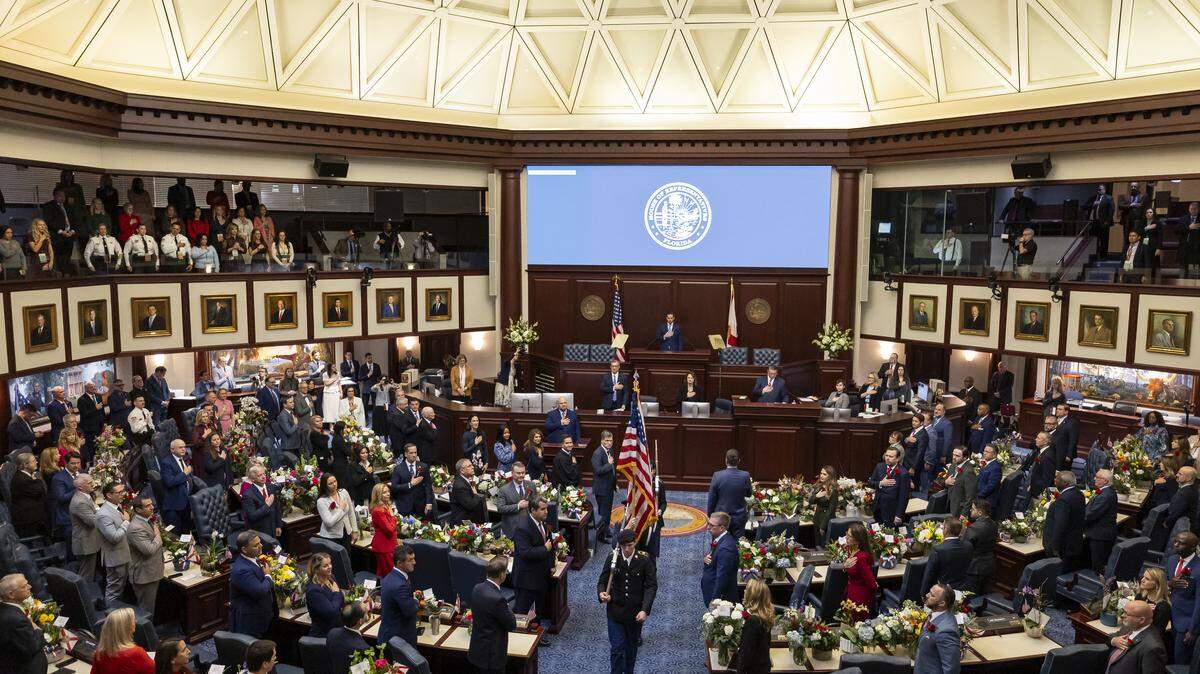
Coral Springs could be staring down major budget shortfalls if Florida lawmakers move forward with proposals to phase out homestead property taxes over the next decade — cuts that could save homeowners about $2,000 but strip cities of a critical revenue source.
The dilemma is at the center of an intensifying property tax reform debate in Tallahassee, with cities across Broward County and Florida warning the savings for residents could come at a steep cost to local services.
However, cities such as Coral Springs and others in West Broward, which are primarily residential — meaning a large portion of their revenue comes from property taxes — are expressing concern over the phasing out of property taxes.
A report by the Broward League of Cities and City Managers shows cities could lose revenue equal to nearly 200% of their parks and recreation budgets under a full property tax elimination scenario without replacement funding.
Local municipalities say eliminating homestead property taxes could reduce municipal revenue by 25% to 46%.
The Coral Springs News asked Broward County Property Appraiser Marty Kiar how much revenue Coral Springs would lose if property tax-cut legislation were enacted.
According to Kiar, Coral Springs would lose $26.7 million. The city has 25,871 homesteaded properties, and the tax impact would represent a 26.8% reduction in property tax revenue. In 2025, the city levied $100 million in property taxes.
While some proposals prevent cities from cutting first-responder funding below recent levels, none replace lost revenue or protect other services.
Local officials warn that lost revenue could force cities to make difficult choices involving parks, libraries, recreation programs, road maintenance, drainage, infrastructure, senior services, and youth programs.
Meanwhile, for homeowners with homestead exemptions, the end of property taxes would mean a median savings of $2,421 in the first year.
Coral Springs Mayor Scott Brook has openly opposed the end of property taxes and has encouraged residents to vote against it if the question comes to voters.
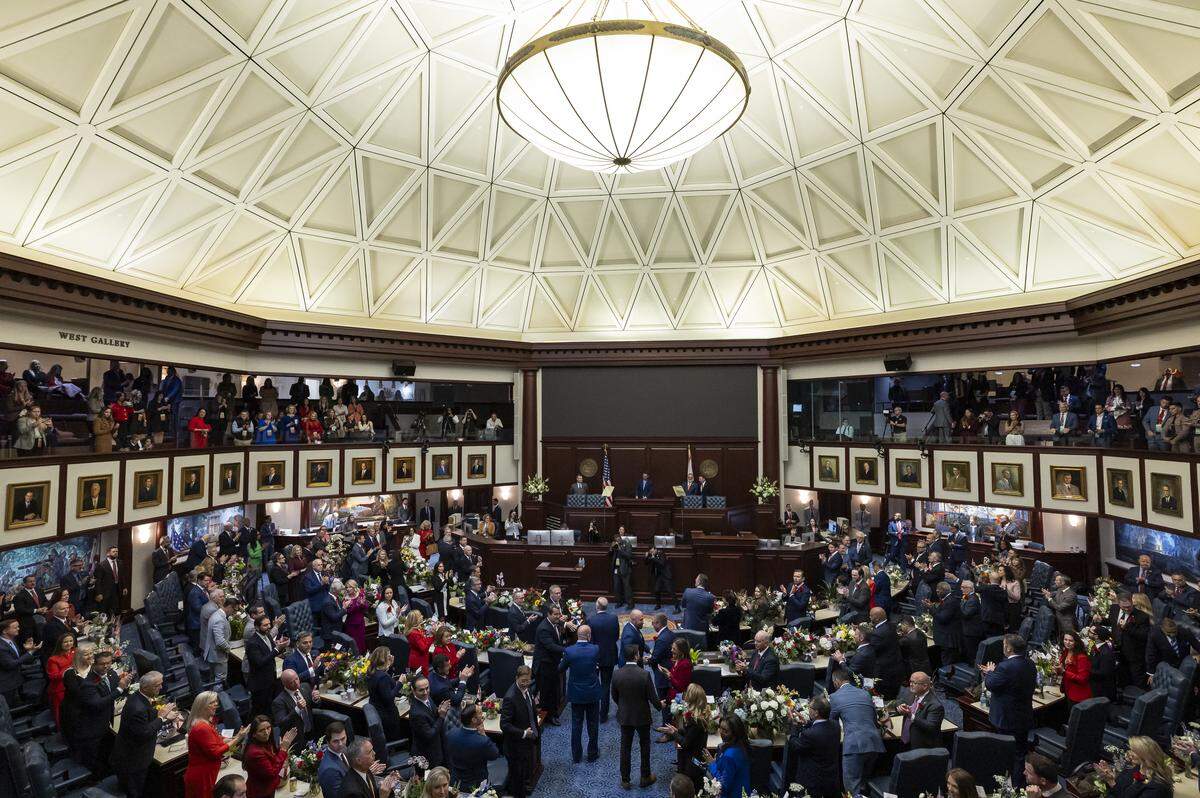
Officials warn many cities could feel the impact within a few years, not a full decade, and may be forced to raise fees, increase sales taxes or special assessments, or cut services residents expect.
It all depends on what lawmakers do.
Here are several House Joint Resolutions advancing in Tallahassee, each targeting property taxes differently:
- HJR 203 — Phase-Out Plan: Gradually phases out non-school property taxes on homesteaded properties over 10 years by increasing the homestead exemption by $100,000 each year starting in 2028, fully eliminating those taxes by 2037.
- HJR 209 — Insurance-Linked Exemption: Provides an additional $100,000-$200,000 exemption on non-school taxes for homesteaded properties that carry comprehensive property insurance.
- HJR 213 — Assessment Growth Caps: Modifies “Save Our Homes” protections, limiting assessment increases to 3% over three years for homesteaded properties and 15% for non-homesteaded properties.
- HJR 201 — Total Non-School Elimination: Eliminates all non-school property taxes for homesteaded properties beginning Jan. 1, 2027.
- HJR 211 — Portability Cap Removal: Removes the $500,000 cap on transferring the “Save Our Homes” benefit when moving to a new property.
Why the push for property tax reform?
Supporters — primarily Republican lawmakers — argue property taxes have risen sharply since 2020, saying local governments rely too heavily on homeowners, and there is a need to curb wasteful spending.
Critics, including Democrats, counter that while they support tightening belts, using 2020 data — when cities were nearly shut down due to the COVID-19 pandemic — distorts spending trends. They also warn home rule is being eroded.
Among the lawmakers sounding the alarm about the severe impact ending property tax collections would have on cities is Broward State Rep. Robin Bartleman (D–103), who represents Miramar and Pembroke Pines.
Bartleman is circulating a handout in Tallahassee outlining the potential financial losses Broward cities could face if any of the proposed measures are approved by voters.
“I am concerned because voters will be asked to vote on getting rid of property taxes, but there is no mention of — or plan for — how cities are supposed to replace this lost revenue,” Bartleman, who is in Tallahassee, told the Coral Springs News on Tuesday, Jan. 27.
Bartleman attended a public hearing in Tallahassee last week where dozens of city officials, county managers and advocacy groups spoke out against the proposals. She also raised concerns about how property tax–funded agencies, such as the South Florida Water Management District, hospital districts and child services programs, would make up the resulting funding deficits.
If approved by the Legislature, the proposals would appear on the November ballot as constitutional amendments. The measure would require 60% approval from voters to pass.