
Tax rate to stay flat, but Coral Springs homeowners may see higher bill. Here’s why
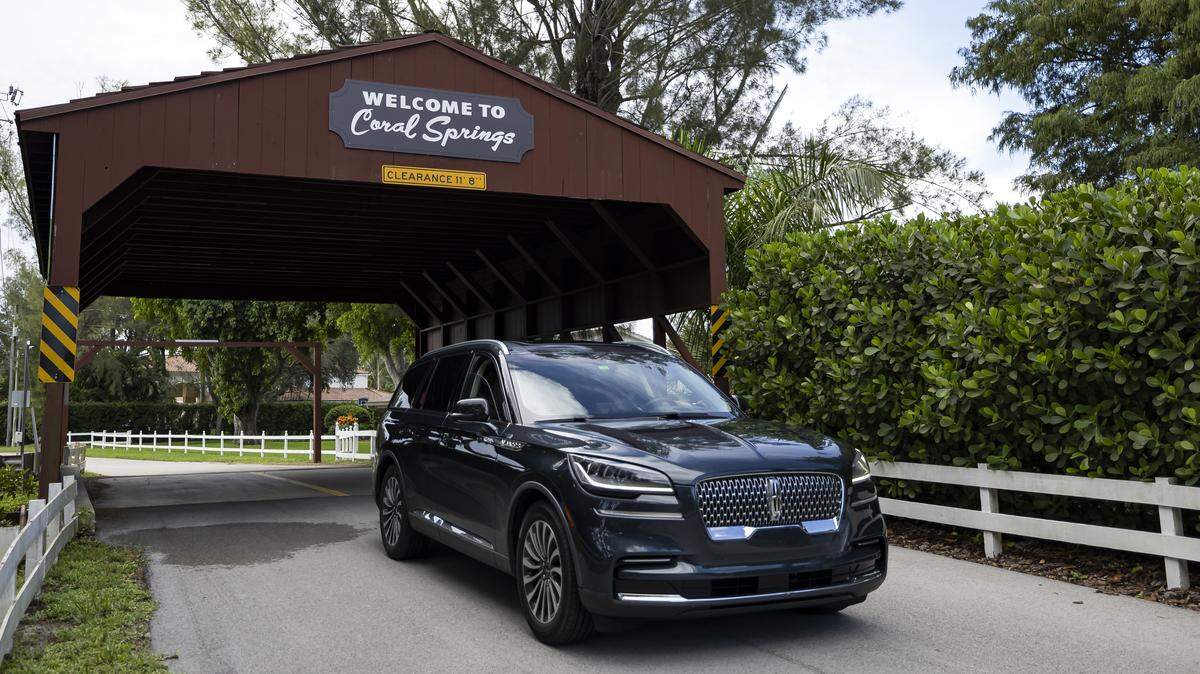
When Coral Springs homeowners get their annual notice of proposed property taxes, they’re likely going to see a bigger bill, even though the tax rate hasn’t changed.
Property values increased 2.7% over the past year with inflation, so even with city commissioners signaling they plan to keep the millage rate the same, homeowners will still pay more due to higher home valuations.
At a July 2 meeting, commissioners adopted several preliminary resolutions of fire service, solid waste, stormwater and nuisance abatement assessments. The assessments and property tax rate will go before a final hearing in September, but they’re expected to cost Coral Springs single-family homeowners, on average, about $106.28 more per year.
That breaks down to about $8.86 per month, but the amount will vary depending on each property’s value.
According to a presentation from the city’s budget office, the average market value of a single-family home in Coral Springs is $625,599, with a taxable value of $360,581.
The city has already shored up the fiscal year 2027 budget, going from a projected deficit to a balanced sheet, according to Ileana Kyriakides, the city’s director of budget and sustainability.
“We looked through everything that we could with department directors when we did our budget process and tightened up everything that we could, and we got our deficit to a completely balanced budget without the need of a millage rate increase,” Kyriakides said.
She added that staff has also balanced the fiscal year 2028 budget without a programmed millage increase. The city hasn’t raised its millage in five years, but residents should anticipate an increase in coming years to keep the city from tipping into a deficit, leaders indicated.
Commissioner Joshua Simmons warned that continuing to keep the millage rate flat will put the city on an unsustainable path.
“We do recognize the economic pains that are out there in the universe, and all the different things that are happening that are squeezing families left and right,” he said. “We’ve also still got to make sure we have a city that people want to move in, want to live in, and feel proud to come home to.”
“Also, please understand, no one up here has a special carve out when it comes to property taxes,” he said to the audience. “Whatever you pay, we pay the same thing … to keep this city and this thing running, so anytime we take a vote, that’s a vote that we are taking for ourselves as well.”
Also in the budget office’s presentation was a fee that officials said is outside the city’s control. The newly formed voter-approved Broward County Tax Collector will be taking 2% of the city’s assessments in exchange for collecting them.
Commissioner Shawn Cerra expressed his displeasure with how the tax collector’s office has now created a new expense passed on to residents, who ultimately were the ones who voted to create the independent office headed by an elected official.
“The way this was rolled out, our residents didn’t have a voice in this,” he said.
The budget office presentation shows how Coral Springs stacks up to other Broward cities in terms of millage rate, relative city staff size and the amount residents pay in assessments. While being the fifth-largest city in Broward, it has a smaller ratio of residents-to-staff compared to other similarly sized or smaller cities in South Florida.
Coral Springs is also eighth in Broward among cities with full-service fire departments as far as fire assessment fees go, and it’s expected to be third in the county for the amount residents pay in solid waste assessment if the proposed amounts are approved later this year.
Mayor Scott Brook also highlighted from the presentation that the city has been maintaining and exceeding its goal for socking away reserves, which would be used to maintain city operations in the event of an emergency, such as a hurricane.
Residents are expected to receive their notice of proposed property taxes, referred to as their TRIM Notice, in August from the Broward property appraiser’s office.