This backyard toad could kill your pet in minutes. Here’s how to keep yours safe
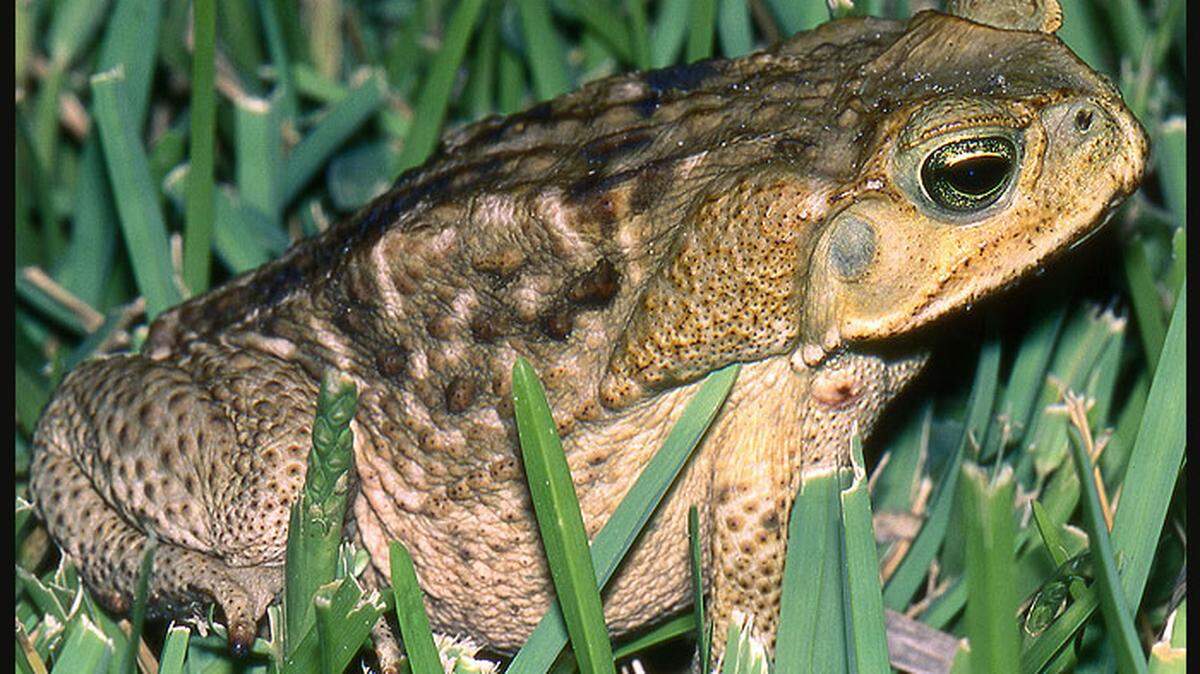
Bufo toads, a yearly threat to dogs, cats, and small children, are back for South Florida’s rainy season.
Also known as the cane toad, marine toad, or giant toad, the invasive species has brought Floridians to extreme measures, from surrounding yards with corrugated metal to hiring neighborhood tweens to hunt them down.
Here’s what Coral Springs residents need to know.
Where did it come from?
The toad was introduced to South Florida and the Caribbean in the 1930s as part of an unsuccessful effort to kill insects that fed on sugarcane. Over the next four decades, accidental and intentional releases spread the toads into residential areas.
Since then, experts have observed the amphibians as far north as Orlando. Citizen scientists have positively identified them as far north as Sumter, South Carolina.
Why does it like my neighborhood so much?
Cane toads are drawn to developed areas, including residential neighborhoods, golf courses, and ballfields.
“We provide them with good hiding places, moisture, and light sources that attract insects,” said Dr. Steve Johnson, a professor at the University of Florida’s Institute for Farming and Agricultural Studies and amphibian expert.
They tend to thrive around small, still bodies of water, including ponds, pools, canals, and ditches where females can lay their eggs.
How do I know it’s a cane toad?
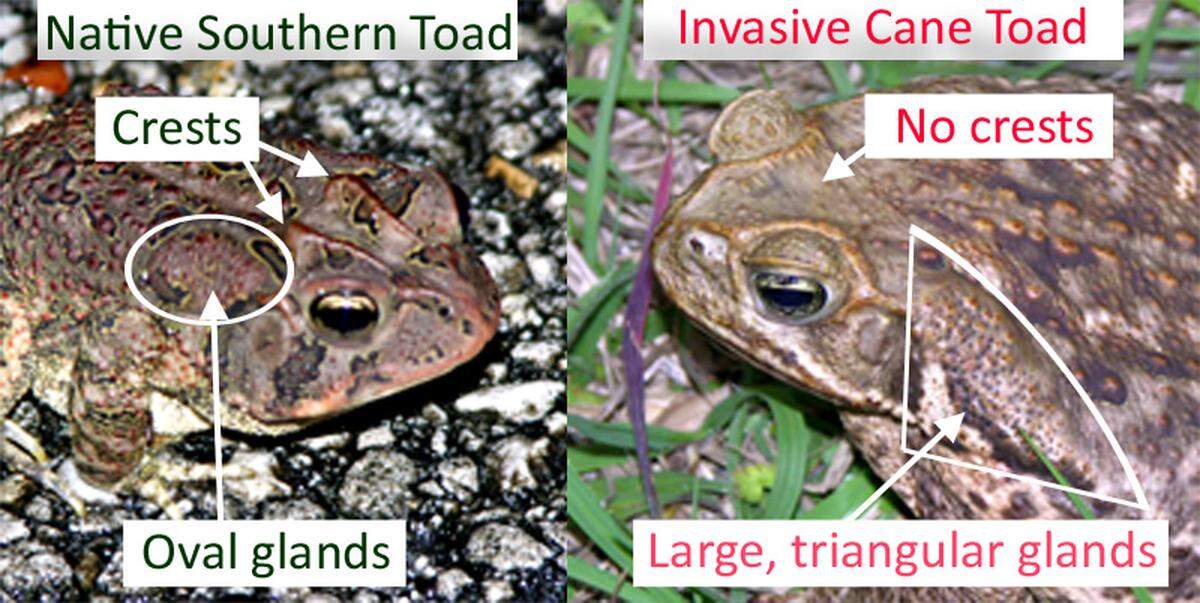
Cane toads are visually similar to native Southern toads. Their most noticeable difference is size.
“If you find a really big toad that just astounds you because it’s so big, that’s going to be a cane toad,” Johnson said in a 2019 YouTube video for UF’s Institute for Farming and Agricultural Studies.
Adult cane toads are typically between 3 and 6 inches long, while the native southern toad typically does not grow longer than 3 inches.
Both species have poison glands, but they differ in shape. If you see a large, triangular shape above the creature’s shoulder, it’s likely a bufo toad, as native species have oval- or bean-shaped versions.
What should I do if I see one?
Adult toads are most active during dusk and nighttime hours. The rainy season — and accompanying wetness and humidity — is when they are in their prime.
If you see the creatures on your property, you can safely catch them with your hands.
Once you have positively identified a cane toad, you can use a plastic grocery bag to grab it with one hand in a process similar to picking up dog poop.
Because cane toads are a poisonous invasive species, releasing them onto another property or in the wild is illegal in Florida.
Euthanasia is the recommended next step.
The simplest humane option, which doesn’t require touching the toad, is placing a bagged toad inside a sealed container, then chilling it in a refrigerator. After three hours, the toad can be transferred to a freezer, where it will die within 24 hours.
You can then remove the bagged frog from your container and throw it in the trash. Be sure to wash your hands and any household items used after every step.
Residents can also help track cane toad populations by reporting captures to EDDMapS.org, an open-access platform run by the University of Georgia’s Center for Invasive Species and Ecosystem Health.
What should I do if my dog or cat catches one?
The effects of cane toad poisoning happen quickly. Your pet may seem frantic, disoriented, or distressed. Many owners report drooling, foaming at the mouth and dark red gums, followed by seizures, throat constriction, and in some cases, death.
Experts such as Johnson say that there are ways to save pets who have been exposed.
First, use wet towels to wipe any poison from your cat or dog’s mouth, taking care to clear any substances from the top, sides, gums, and tongue.
“It’s very sticky and viscous,” Johnson said, emphasizing the importance of being thorough in removing poison from a pet’s mouth.
Though some guides recommend rinsing a pet’s mouth out with a hose, Johnson said this may endanger its ability to breathe, or if done incorrectly, send poison down its throat.
When this process is complete, call your veterinarian, if someone hasn’t called for you already. If your pet starts or continues showing signs of poisoning, take them to the nearest emergency clinic as soon as possible.
Some dog owners have saved their furry friends by using their fingers to keep their airways open by force.
Experts say that owners should get their animals to an emergency veterinarian as soon as possible, as the toad’s toxins can be lethal in as little as 10 minutes.
How do I prevent a cane toad infestation or poisoning?
Cane toads mainly feed on insects and small animals such as lizards, mice, and voles, but have also been known to consume pet food left outdoors. You can prevent prey from taking up residence around your home by keeping the area clean and free of garbage or other waste that may attract critters.
Toads are also drawn to light at night, because insects often cluster there. If you feel safe to do so, turning outside lights off can also keep toads at bay. You can also switch outside bulbs to colors that don’t attract bugs, or try motion-activated ones instead.
Toads are often looking for dark, leafy places to hide, so experts also recommend trimming shrubs and clearing yard debris that could appear attractive to the amphibians. The same goes for water sources, including bowls of water left out for pets overnight.
It’s also a good idea to keep an eye on dogs when they are outdoors, especially in the evenings. Walking them on a short leash and avoiding sniffing under bushes or undergrowth where toads are likely to live.
Learn more
The University of Florida Institute for Farming and Agricultural Studies team has a series of videos designed to educate the public about the toads. You can watch them on YouTube here.
You can also download a University of Florida fact sheet about the toads here.
“Cane Toads: An Unnatural History” is a 1988 short documentary exploring how they were introduced in Australian sugarcane farming communities — and the havoc they wreaked there.
This story was originally published September 24, 2025 at 1:04 PM.