Have you seen a coyote in Coral Springs? Don’t panic — here’s how to stay safe
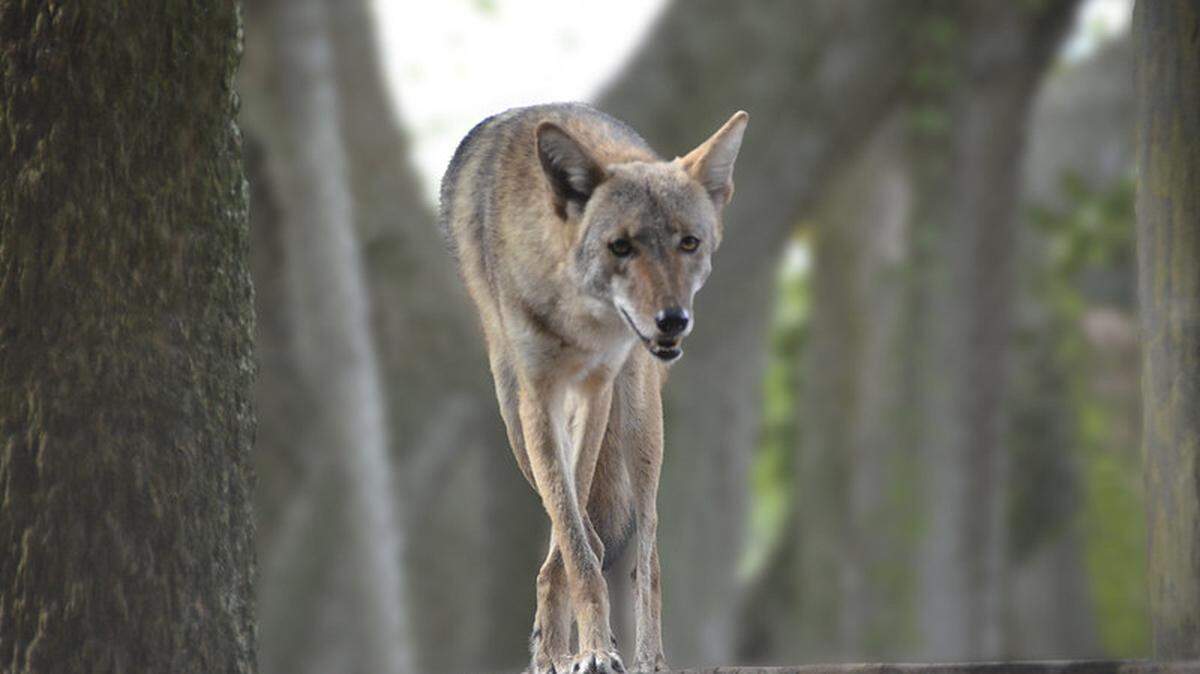
Concerned Coral Cprings residents are posting more photos and videos of coyotes in their neighborhoods as the summer heat recedes.
Coyotes are a highly adaptable species, with the ability to adjust to a variety of climates. In fact, they can be found in every state except Hawaii. They have existed in Florida for at least 60 years, with documented presence in all 67 counties by the 2000s.
Their flexibility also means they can live and thrive in urban and suburban areas, with some losing their fear of humans over time. This leads to increased sightings in residential neighborhoods, with swirling fears that the animals may transmit disease or attack children and pets.
Here’s what you need to know to stay safe.
What should I do if I see a coyote?
Though your immediate instincts may be to attack or turn and run away, both of these can cause a coyote to become more aggressive. Instead, experts recommend focusing on scaring the creature away.
Tactics include waving your arms and yelling loudly at the animal. You can also use additional tools to make noise, including air horns, banging pots and pans, or creating your own device, such as by putting coins, stones or other small objects inside an empty drink container.
Many coyotes have become desensitized to humans. If it does not immediately run away, slowly approach it while continuing hazing efforts.
In rare cases, the animals may growl or bark instead of running away — either because they are defending a litter of pups, or they have become aggressive. In this case, back away slowly and continue hazing efforts until you have reached safety.
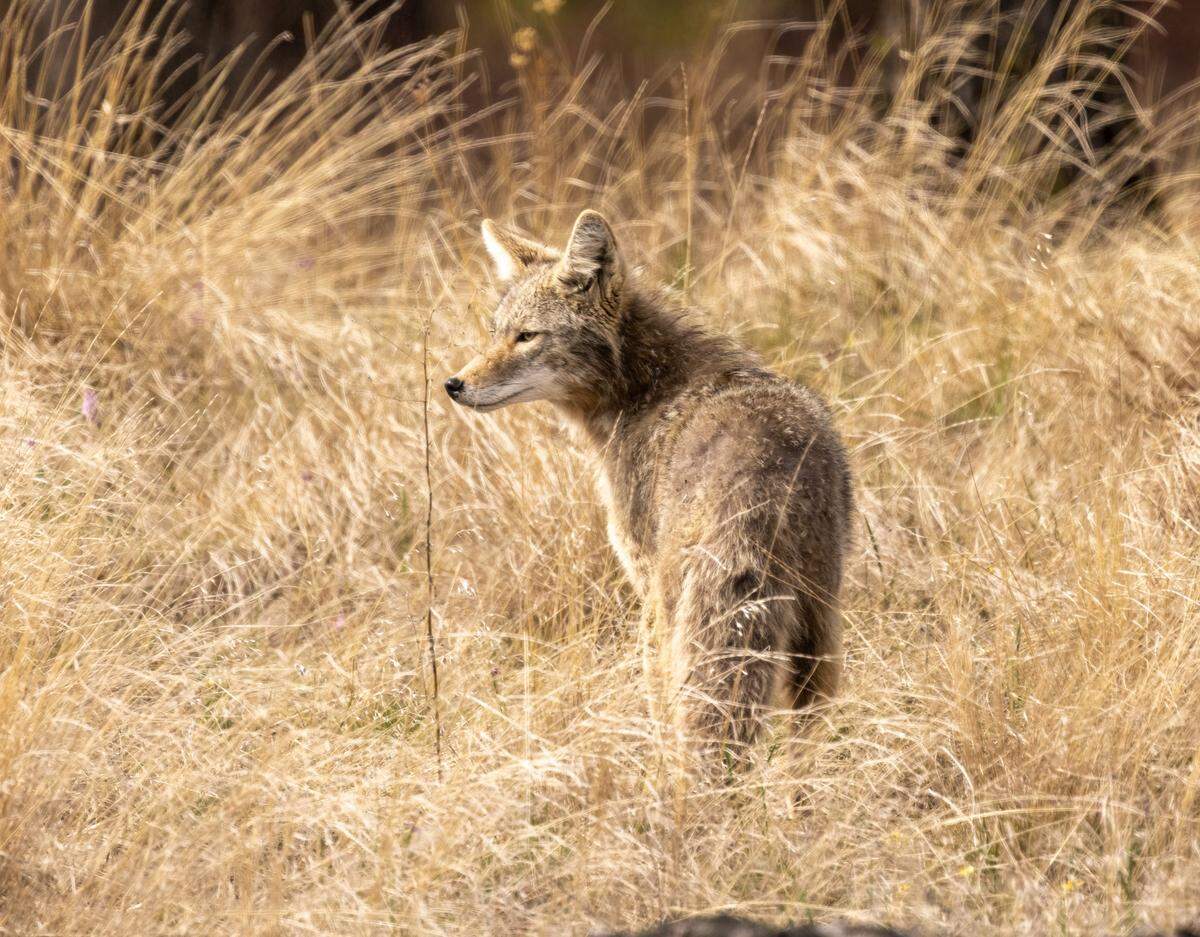
What should I do if a coyote approaches my child?
Teach children to recognize coyotes, and explain why they are dangerous to small humans and animals. Though coyotes are similar to domesticated dogs, feeding or petting them can threaten a child’s life.
If a child is alone, they can try similar hazing methods to those recommended for adults. But, rather than moving toward the animal, they should back away slowly while making noise until they have reached a safe location.
If you are with a child and see a coyote approaching, yell loudly to startle it and get the child’s attention. Make sure they do not turn and run away, as it may encourage a coyote to chase them.
Instead, pick up the child while making noise, and back away from the coyote if it does not flee.
How can I keep my pets safe from coyotes?
Coyotes mainly subsist on small mammals, so cats and small dogs can appear like an easy target. Keeping pets from roaming freely, especially at night, is the most effective way to avoid a tragedy.
If a pet must be kept outside, experts recommend keeping them in a predator-proof enclosure. Coyotes are known to climb fences to find food, so extra precautions may be necessary.
This includes:
- Height of at least 6 feet, to deter jumping
- Coyote rollers, which keep the animals from scaling a fence
- Secured bottom portion, to prevent digging
Concerned owners can find the Florida Fish and Wildlife Commission’s comprehensive guide to keeping pets safe from wildlife here.
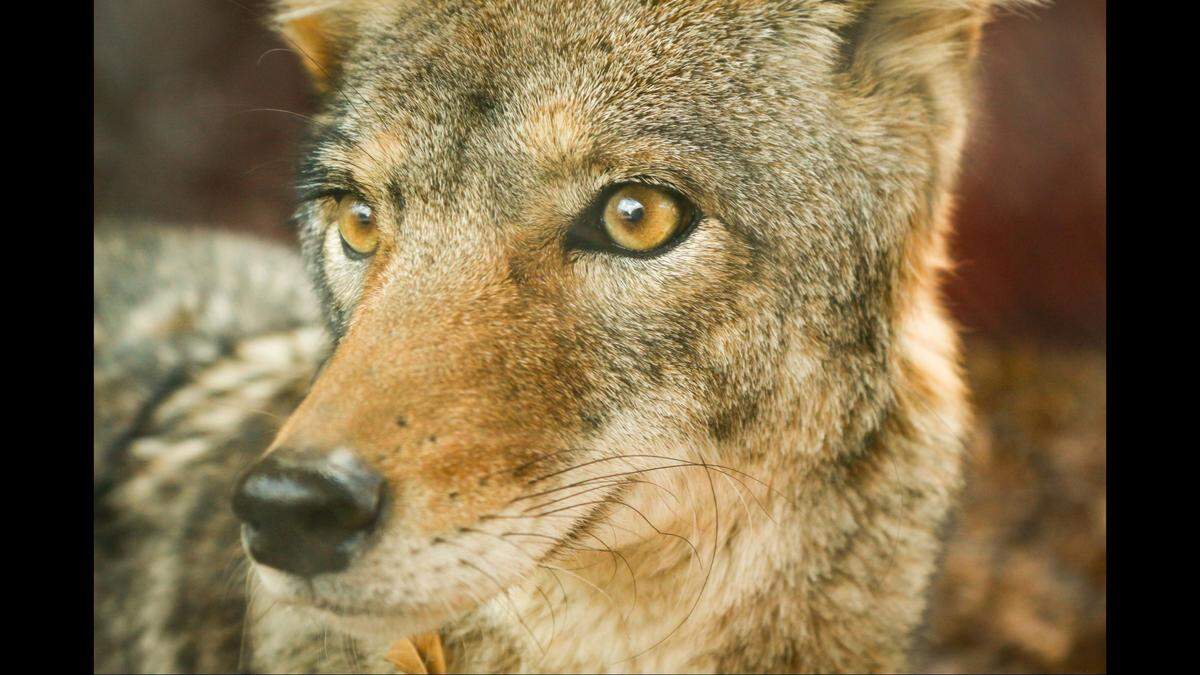
How do I get coyotes to stay away?
As with many other wild animals, coyotes are attracted to developed areas because they are a plentiful source of food. They are known to eat fallen fruit and pet food left outside and take advantage of open garbage and compost receptacles, so keeping those items secured is a major part of prevention.
Unfortunately for concerned residents, coyotes are here to stay. Not only are adults quick to take over others’ territory, but they also respond to population decline by breeding at younger ages.
They also play an important role in Florida’s ecosystem by feeding on rodents and other small animals. Coyotes are also known to prey on small animals, especially at night. If you have small outdoor livestock, such as chickens, keeping them in a secure enclosure is essential.
The animals also look for places to sleep and hide their young, particularly during the late winter and early spring when they breed and raise their young. Small, dark spaces — including underneath porches, decks, and sheds — are attractive options. This can be solved by sealing the space.
If these methods prove unsuccessful, additional deterrents may be necessary, such as motion-activated alarms or sprinklers meant to spook a coyote sniffing around your home.
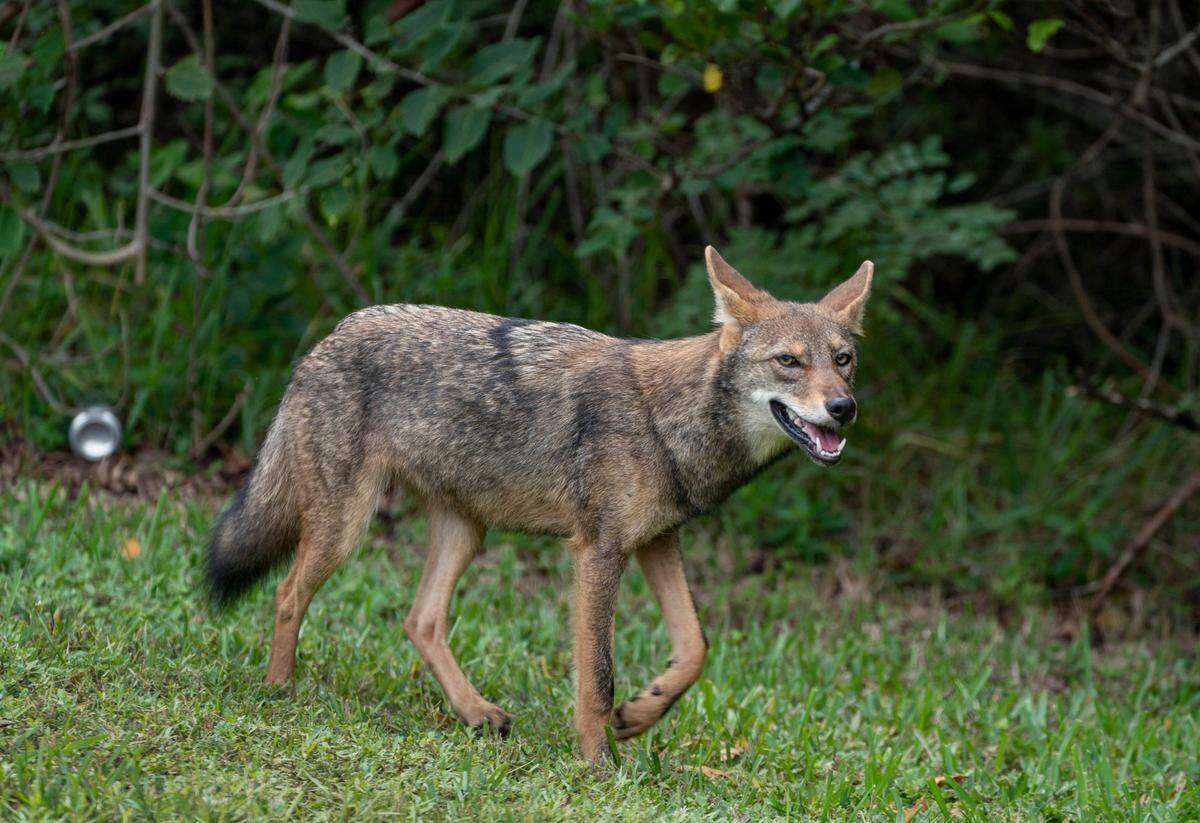
Who should I call if I see a coyote?
You can report sightings, encounters, and attacks to the South Branch of the Florida Fish and Wildlife Conservation Commission by calling 561-625-5122 or the Wildlife Hotline at 888-404-3922.
If a coyote appears to be sick or injured, the Broward County Animal Care Division may be able to provide more immediate assistance. Staff can be reached at 954-524-4302.
Where can I learn more about coyotes?
The Florida Fish and Wildlife Commission is hosting a free webinar at 7 p.m. on Tuesday, Oct. 7, at this link.
The Urban Coyote Research Project, based in Cook County, Ohio, and backed by Ohio State University, has a visual guide to conflicts with coyotes here.
You can also review a map of confirmed coyote sightings in your area here.
This story was originally published September 29, 2025 at 3:01 PM.