Broward schools picked for drone program aimed at stopping shooters. How it works
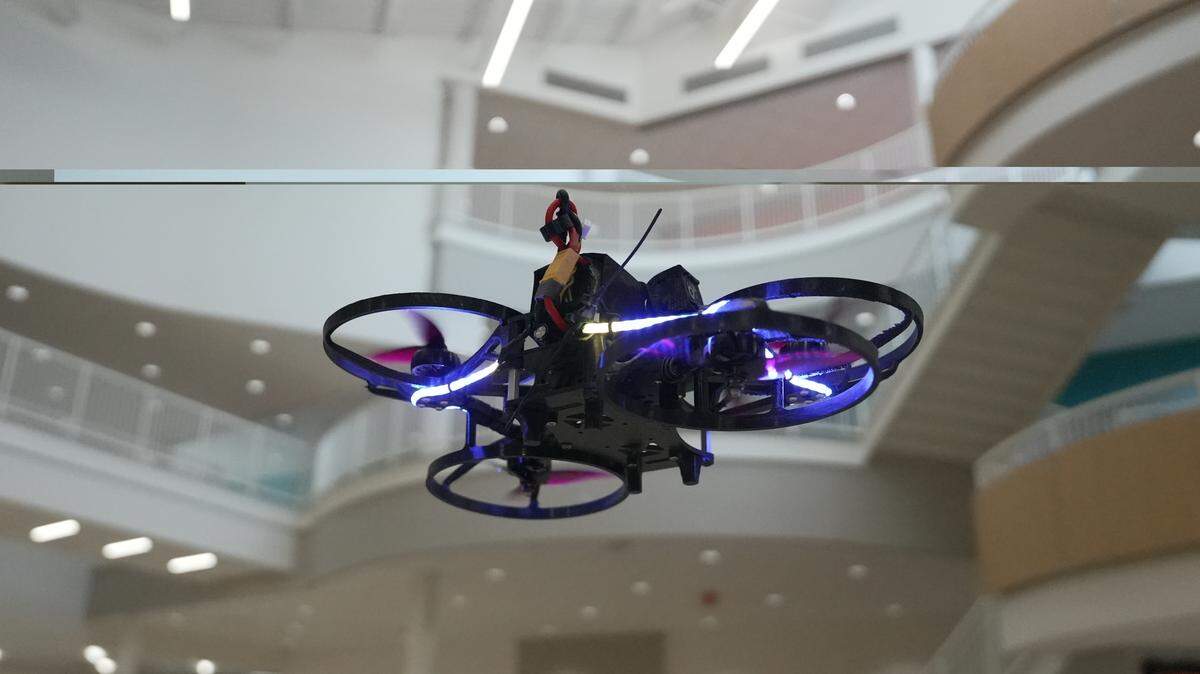
Three school districts, including Broward County, will participate in a new state-funded pilot program that uses drones to respond to active-shooter threats on campuses.
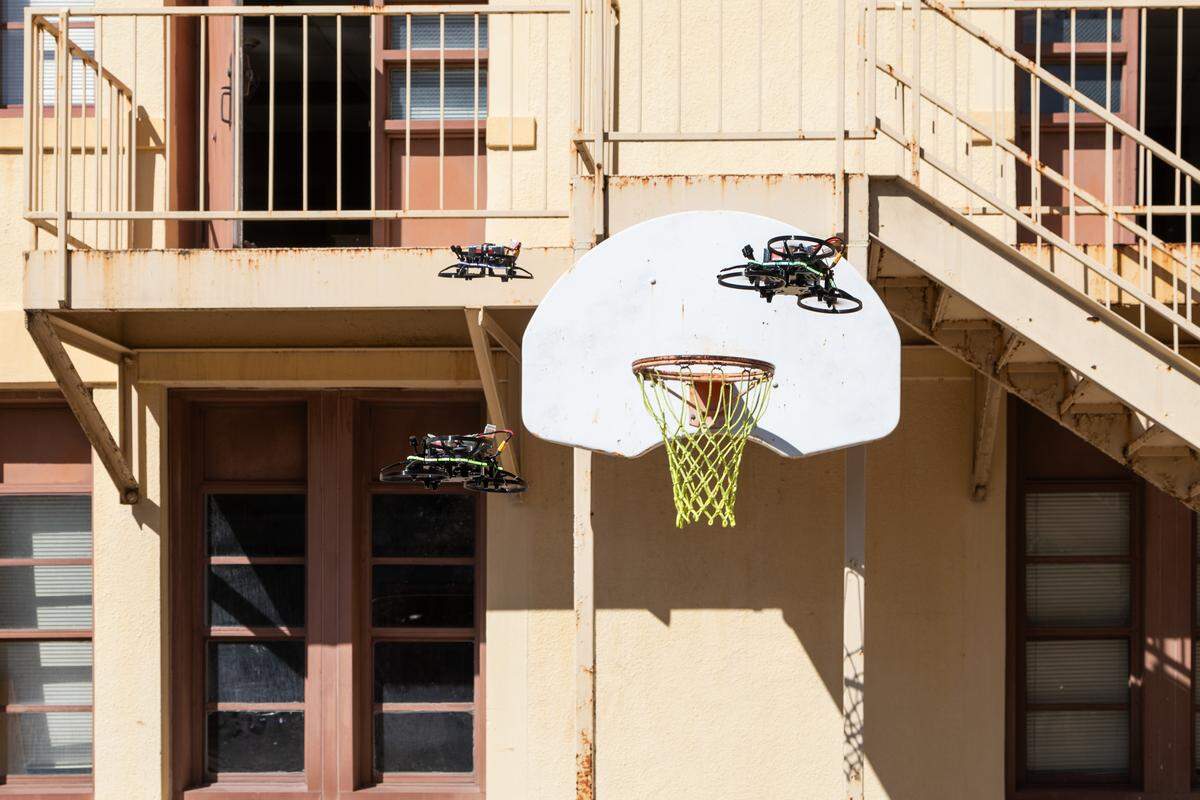
The Campus Guardian Angel Program places pre-positioned drones inside schools. When an alert is triggered, the drones deploy within seconds, streaming live audio and video to law enforcement and attempting to distract or incapacitate a gunman using sirens, pepper spray and if needed, physical impact.
“Broward County Public Schools keeps safety at the forefront of everything we do. The integration of the Guardian Angel Program will strengthen our ability to respond swiftly and decisively in the event of a threat,” Superintendent Dr. Howard Hepburn said in a Nov. 17 news release.
The other two districts selected were Leon County schools and Volusia County schools. According to the news release from the Florida Department of Education, the department has allocated $557,000 to the Campus Guardian Angel Program.
Broward County Public Schools Chief of Staff John Sullivan told the Pembroke Pines News on Nov. 18 that the district learned this week it had been selected for the pilot program and is actively determining which high school will participate.
“The pilot program is funded by the state and the state is going to pay the vendor to offer that pilot program,” Sullivan said. “We’re expecting to hear from the vendor in the next couple days with the goal of selecting school as quickly as possible, so we can deploy the pilot program in this current school year.”
Parents, students and staff at the selected school will be notified, he said. The district has not communicated with families as of Nov. 19. Sullivan emphasized the county is reviewing privacy considerations, including who owns the drone footage.
“We have to ensure that there’s certain language and provisions within the agreement that safeguards our student privacy rights and data,” Sullivan said.
If the year-long pilot program is successful, Sullivan says Broward may consider expanding it to more schools within the county.
“We’re going to work out to see how it works, and if it makes sense, then the district would, depending on our availability of resources, expand that beyond the one school that’s being funded by the state,” Sullivan said.
Response in seconds
Justin Marston, 48, CEO of Campus Guardian Angel since December 2023, said the drones are designed to intervene faster than human responders. The Texas-based company is not involved in detecting threats, rather the response, he said.
“When you get to a school shooting, it all tends to be over quite quickly, and so timing how quickly you can get to a response is really important,” Marston told the Pembroke Pines News on Nov. 18. “The thought was, how do you create something, which can be instantaneous to stop that threat and is elite, and is affordable and can cover many schools?”
Marston said the idea was inspired in part by speaking to a Ukrainian Special Forces soldier and learning how Ukrainian forces have used drones in combat.
“They said that in 600 missions, the drone had only got shot once,” he said. “It’s like trying to shoot a mosquito. It’s incredibly difficult to shoot.”
The system activates after an alert under Alyssa’s Law, which requires Florida public and charter schools to have mobile panic alert systems directly connected to law enforcement.
Once the operators confirm a threat, the drones deploy.
“Our goal is to respond in 5 seconds, to be on the scene in 15 seconds, and to degrade or incapacitate in 60 seconds,” Marston said.
The system uses three escalating levels of force. The first is verbal commands over a speaker, telling the person to surrender. The second is pepper spray to impair vision if the gunman does not comply. The third is using the drone’s speed and impact to physically stop the person.
“The drones are flown by human pilots together with people who have decades of tactical experience in our response teams in Austin,” Marston said.
The company plans to bring the service online in January. By then, Marston said, two fully staffed teams will be on call.
“Like a 911 response center, you have to be fully staffed and you’re on the hook to go and do hostage rescue,” he said.
About 10 schools are preparing to deploy drones in January and February, including three pilot schools in Florida, and several public and private campuses in Texas.
The number of drones each school gets depends on the school’s size and floor plan.
“On the lowest possible end, maybe it’s 18, 21, that’s for like a really small school,” Marston said. “But, there are high schools out there that are 350,000 square feet and have thousands of kids, then we could be up to 90 drones.”
The drones have only been tested in training exercises. Marston says the exercises are designed to be realistic and they’ve done 20 schools. This is the first time that they’re running a production service that could potentially meet a real threat.
But, Marston says that his co-founder, Bill King, was in the Navy SEALs for 32 years.
“There’s always a time when you do it first, but there’s a lot of experience within our team of handling difficult, tactical situations, including hostage rescue,” Marston said.
Marston said the safeguards put in place to protect students include the years of experince the operational team has and the fact that its less lethal effects respond to the threat.
“The fact that we don’t care if we get shot allows us to take a risk that you could never ask a human operator to take,” he said.
Coordinating with police
Marston said the company coordinates with law enforcement in three ways once a threat reaches a school’s campus.
“Each drone has a human pilot and this is really just like a disposable team member, because we can respawn into the next drone really quickly,” Marston says. “We are doing training and exercises and other things outside of that to make sure that we’ve shared the tactics and we understand how we’re going to work together.”
The first is with a liaison who calls into the 911 center and provides real-time updates. The second is with operators who communicate with police and school resource officers through a mobile app that they have to seek authorization for use of force. The last is with the pilots who can speak directly to responding officers on the scene through the drone’s speaker.
Marston argues the system focused on less lethal effects reduces the risk of irreversible mistakes.
“We're coming in, with the effects that have a very short range,” Marston said. “So if we make a mistake, the impact is far less serious than taking the wrong kid off to gun trauma surgery.”
He also believes the drones act as a deterrent.
“If you were a potential school (shooter) and you’re gonna get hunted in 10 to 15 seconds, you’re gonna look like an idiot trying to run away from a bunch of drones that are buzzing around you like bees,” Marston says. “Well, maybe you do something else that day.”
School shootings context
Everytown for Gun Safety Support Fund is an independent research and policy organization that started tracking incidents of gunfire on school grounds in 2013. Their research finds that in 2025, there were at least 141 incidents of gunfire on school grounds, resulting in 44 deaths and 129 injuries nationally.
In April, a 20-year-old student opened fire on the Florida State University campus. Two people were killed and six were injured.
Florida’s deadliest school shooting took place at Marjory Stoneman Douglas High School in Parkland on Valentine’s Day in 2018, when Nikolas Cruz opened fire, killing 17 people and injuring 17 others.
The overall number of mass shootings has decreased in Florida this year. As of Nov. 19, there have been 13 shootings involving four or more people, according to Gun Violence Archive. Last year, there were 32 mass shootings.
“We’re excited to work with the government here in Florida and demonstrate how effective this is in testing and practice scenarios they’re going to put it through during this pilot over the next year,” Marston said.
This story was originally published November 19, 2025 at 2:59 PM with the headline "Broward schools picked for drone program aimed at stopping shooters. How it works."