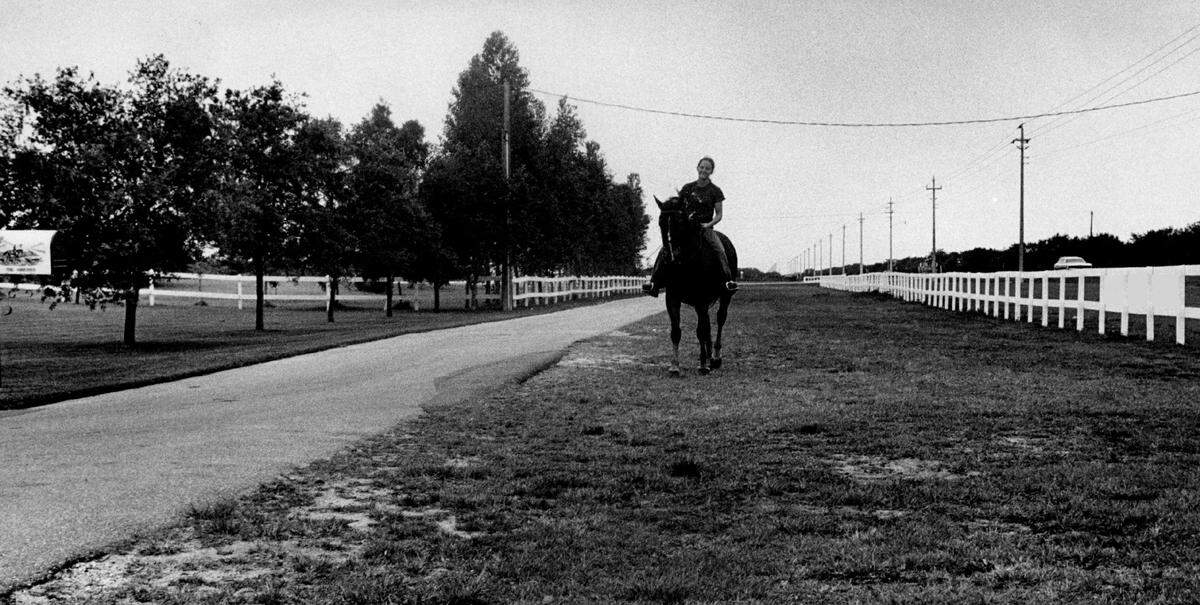
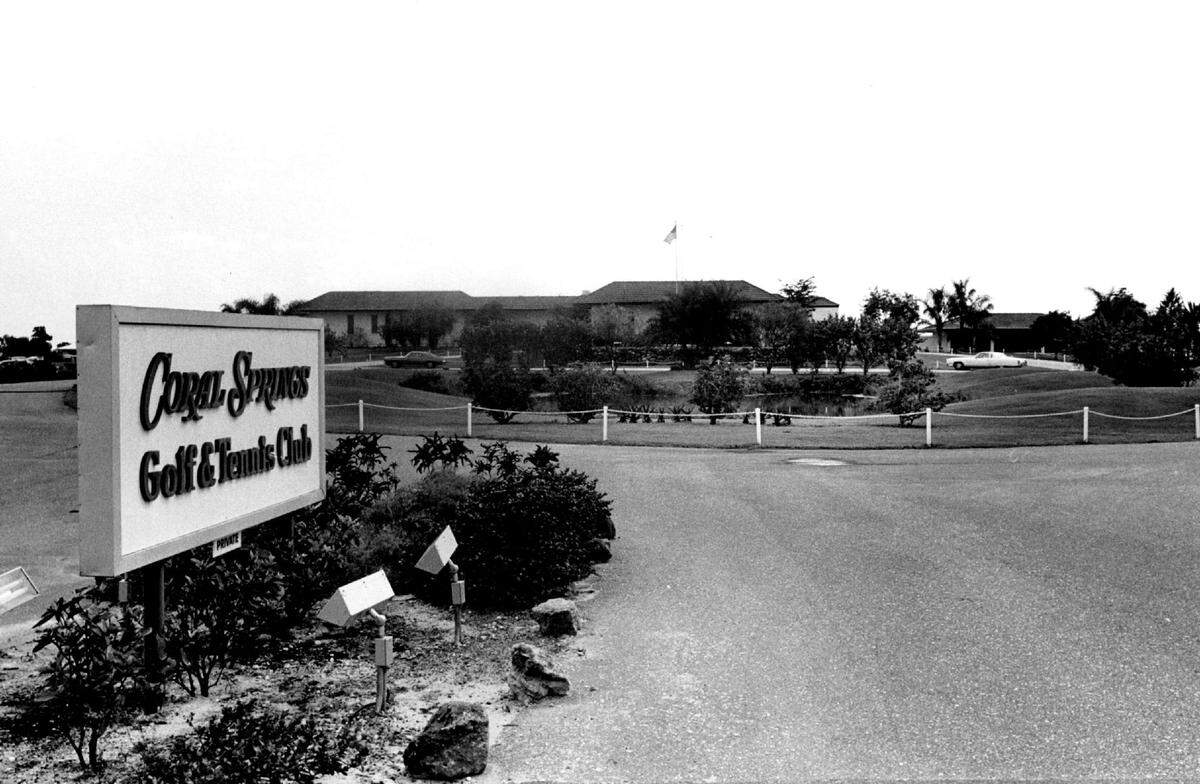
Remember when ... Coral Springs felt small? Take a look at the city in its early days
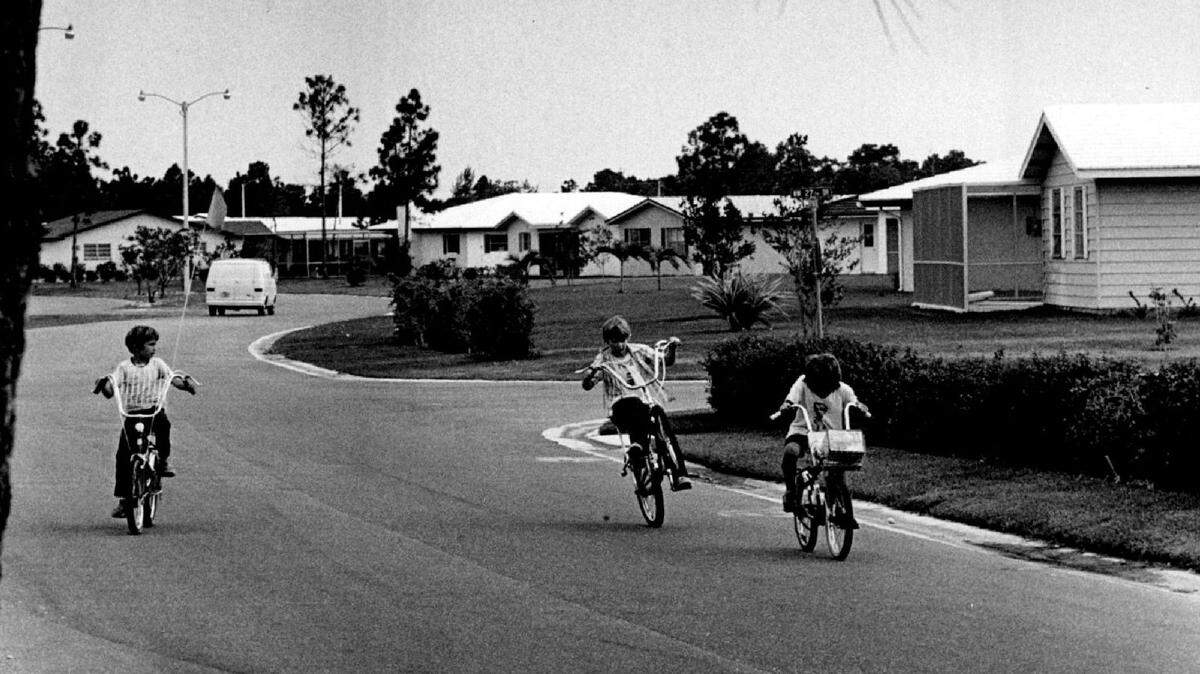
Coral Springs rose from land that was once pure Florida Everglades wilderness. In fact, early critics dismissed it as “a swamp city.”
Today, with a population of 185,000, it stands as one of Florida’s first master-planned communities — but reaching that point required vision, persistence and decades of transformation.
Using historical photos from the Miami Herald’s files, the Coral Springs News will give readers an occassional glimpse at how the city used to look.
In the early 20th century, the land in northwest Broward County was a flooded, mosquito-ridden swamp thick with sawgrass, cypress, snakes, and yes, alligators.
Landowner Henry Lyons slowly assembled more than 20,000 acres of this hostile terrain, dismissing it as “little more than a bean patch,” yet methodically reshaping it through canals, levees and pumps, according to history books and newspaper accounts.
By draining the wetlands and clearing vegetation, Lyons transformed the swamp into farmland and later cattle ranches, earning a national reputation as the man who bent the Everglades to human use.
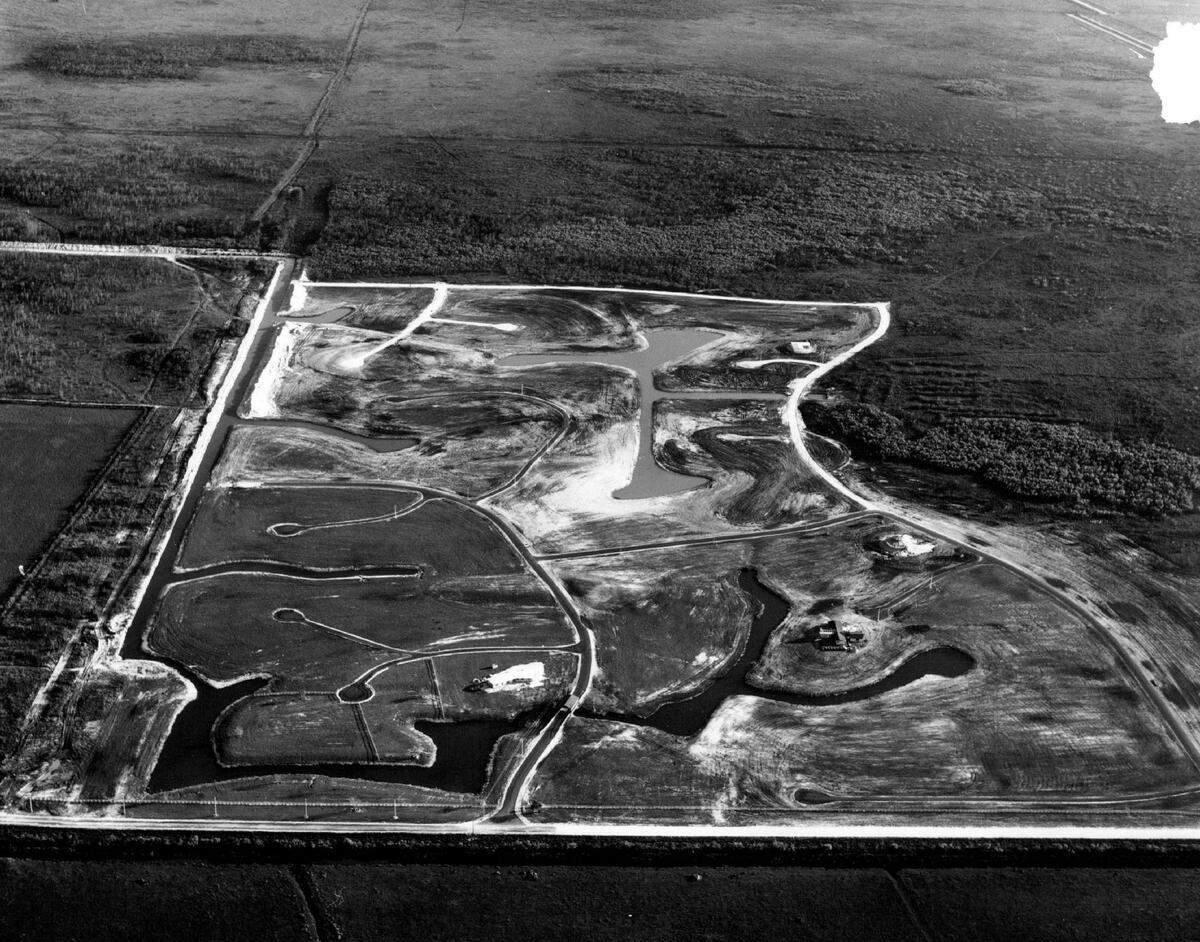
Even as the land dried, it remained rough and isolated. Lyons’ property became known for lawlessness, with rustlers, hunters and poachers cutting fences and stealing cattle, forcing armed patrols to guard the ranches.
This former bean patch briefly took on the character of “Wild West Broward.” Still, the groundwork had been laid.
After devastating floods in the 1940s, massive regional drainage projects permanently altered South Florida’s interior, drying vast areas of land once thought uninhabitable and opening the door to large-scale development.
It was then that another visionary, developer James S. Hunt, looked across the reclaimed marshland and imagined something entirely new: a carefully planned city rising from the former swamp.
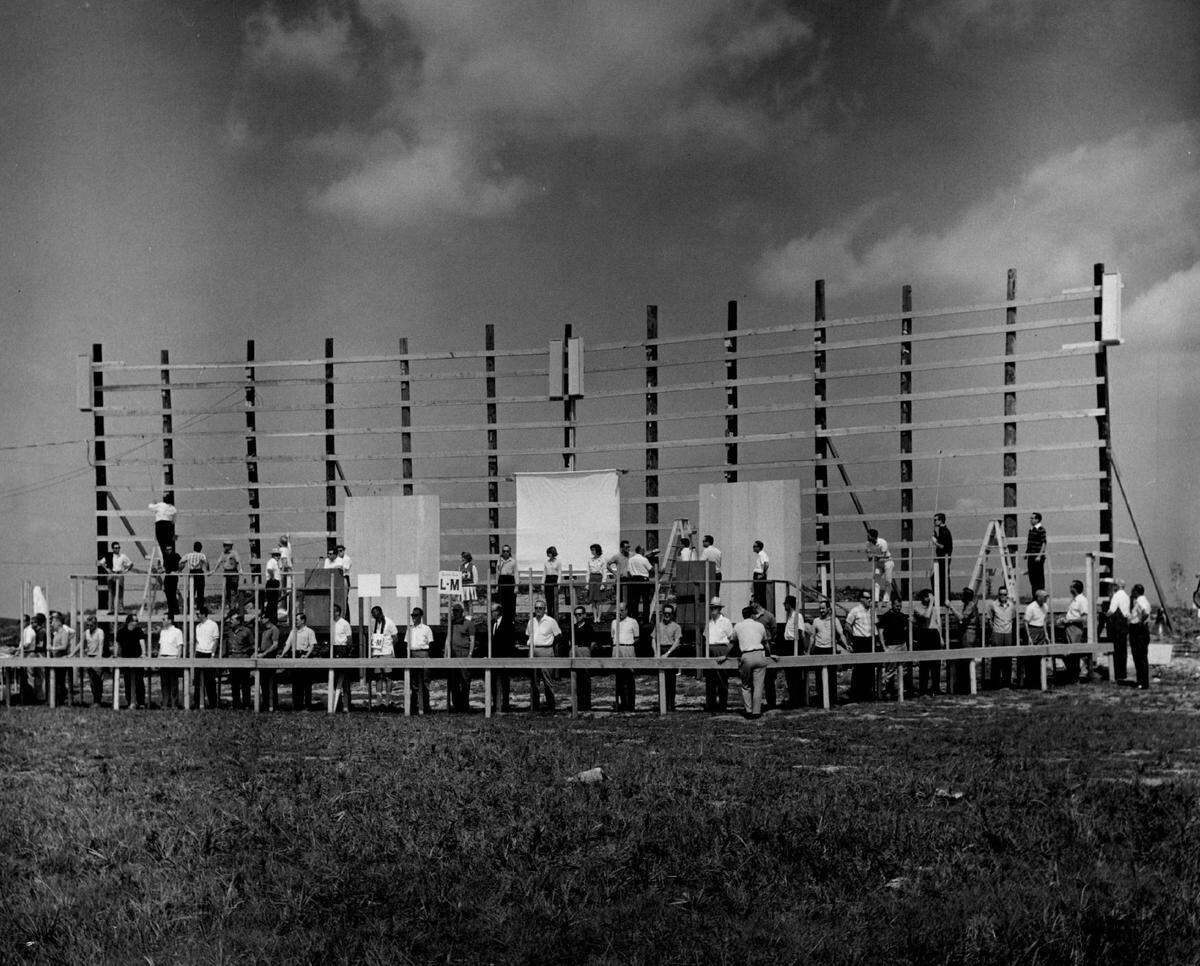
In the early 1960s, Hunt and his partners — including Joe Taravella (for whom Taravella High School is named) — formed Coral Springs Properties and began purchasing land, transforming old ranchland into the beginnings of a city.
Built with strict design standards, neighborhoods, parks and civic spaces, Coral Springs evolved from a drained wilderness into a thriving suburban city — its modern streets standing where the Everglades once ruled.
In 1961, Coral Springs Properties purchased thousands of acres with a vision to build the city. It took two years for the city to be officially chartered on July 10, 1963, with the name Coral Springs chosen because it sounded inviting, but could have been a bait-and-switch to buyers because there were no springs or coral there.
Believe it or not, Coral Springs’ early promotional efforts included a land sale event featuring late night host Johnny Carson, who purcahsed a home in the city.
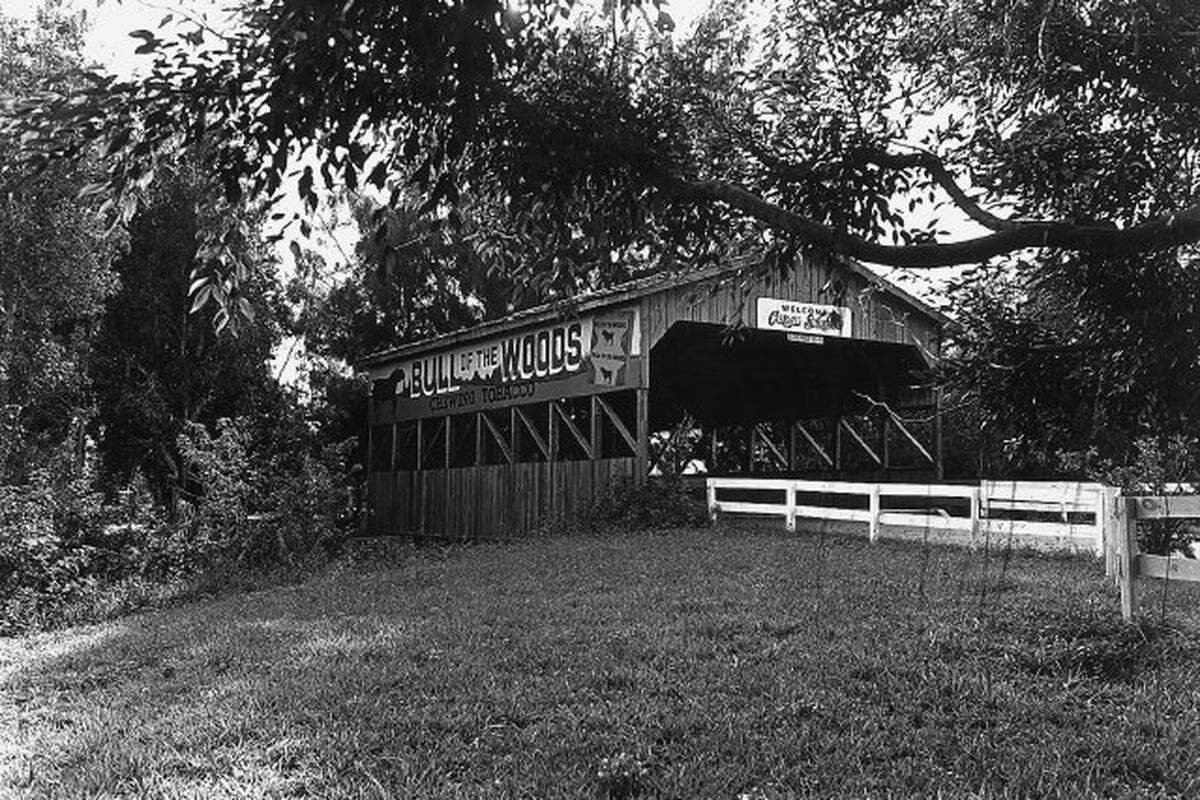
Coral Springs was carefully planned with strict building codes and an emphasis on residential neighborhoods, parks and community amenities.
The first residents moved in during the mid-1960s, and the iconic 40-feet Covered Bridge was built in 1964 and is the first permanent structure built in the city.
Rapid population growth followed through the 1970s and 1980s as schools, shopping centers and other facilities were developed.
By the early 2000s, the city was mostly built out.
Today, Coral Springs covers about 24 square miles and is known for its family-oriented neighborhoods, quality schools, parks and cultural attractions.
And like many other Broward cities, it is at capacity.
Today, Coral Springs has evolved from “a swamp city” to a mature city dealing with modern urban challenges.
This story was originally published January 6, 2026 at 5:00 AM.