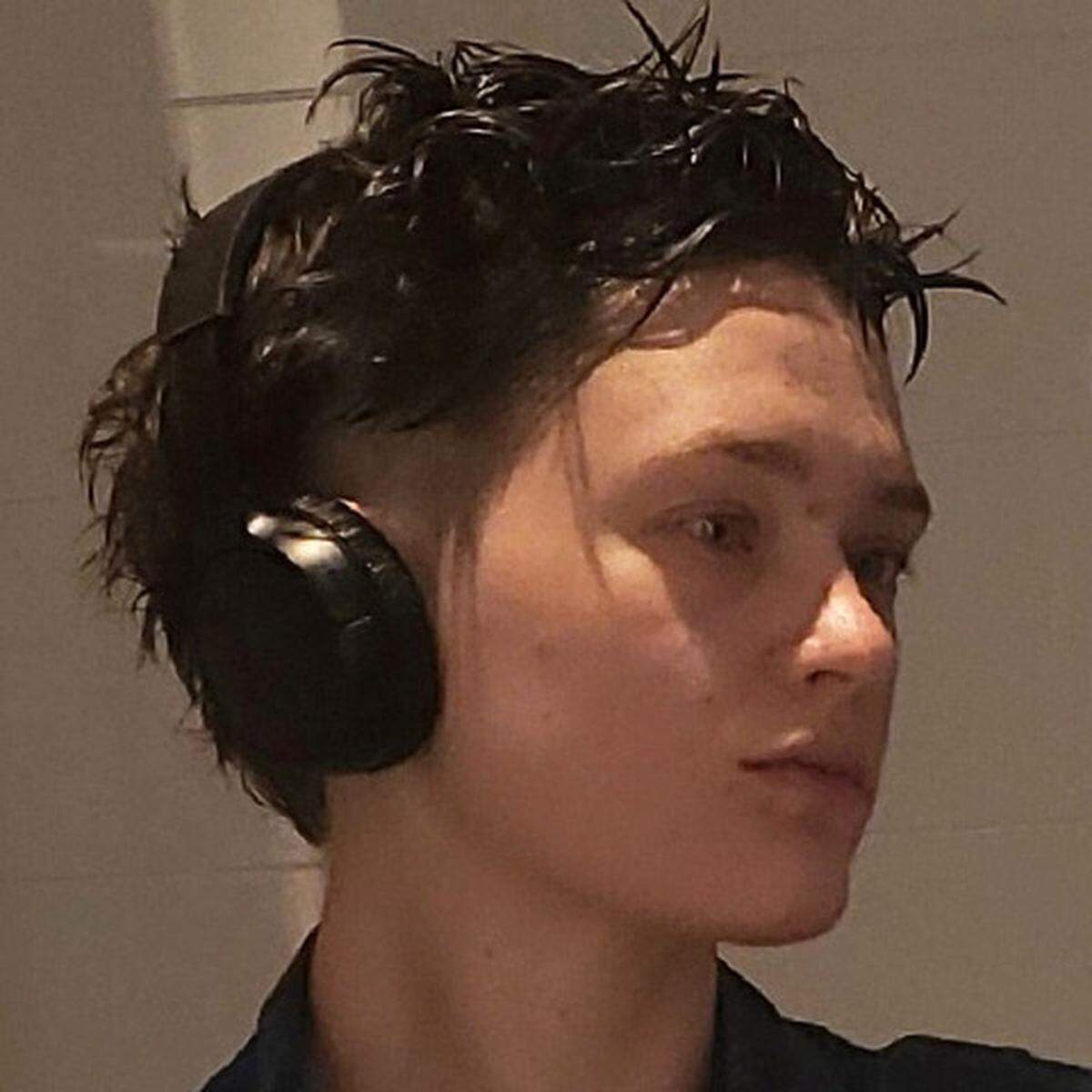
Coral Springs photographer centers wildlife stories with fresh art form
.JPG "Meir Martin, 73, says he is pioneering a new form of art called aethography — telling wildlife stories through photography.")
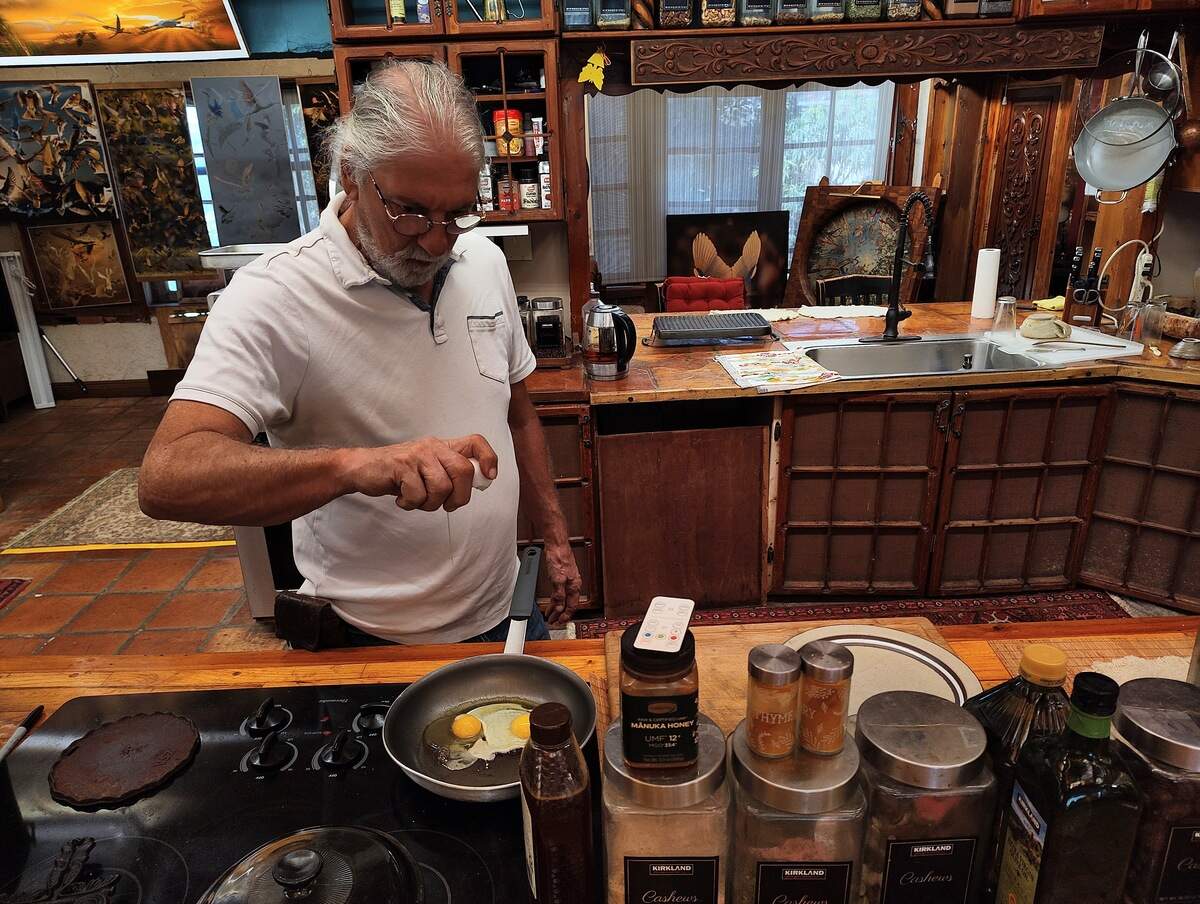
Meir Martin starts his day before sunrise with two sunny-side up eggs, topped with a generous serving of turmeric, Himalayan pink salt, pumpkin seeds and raisins.
He does this surrounded by birds.
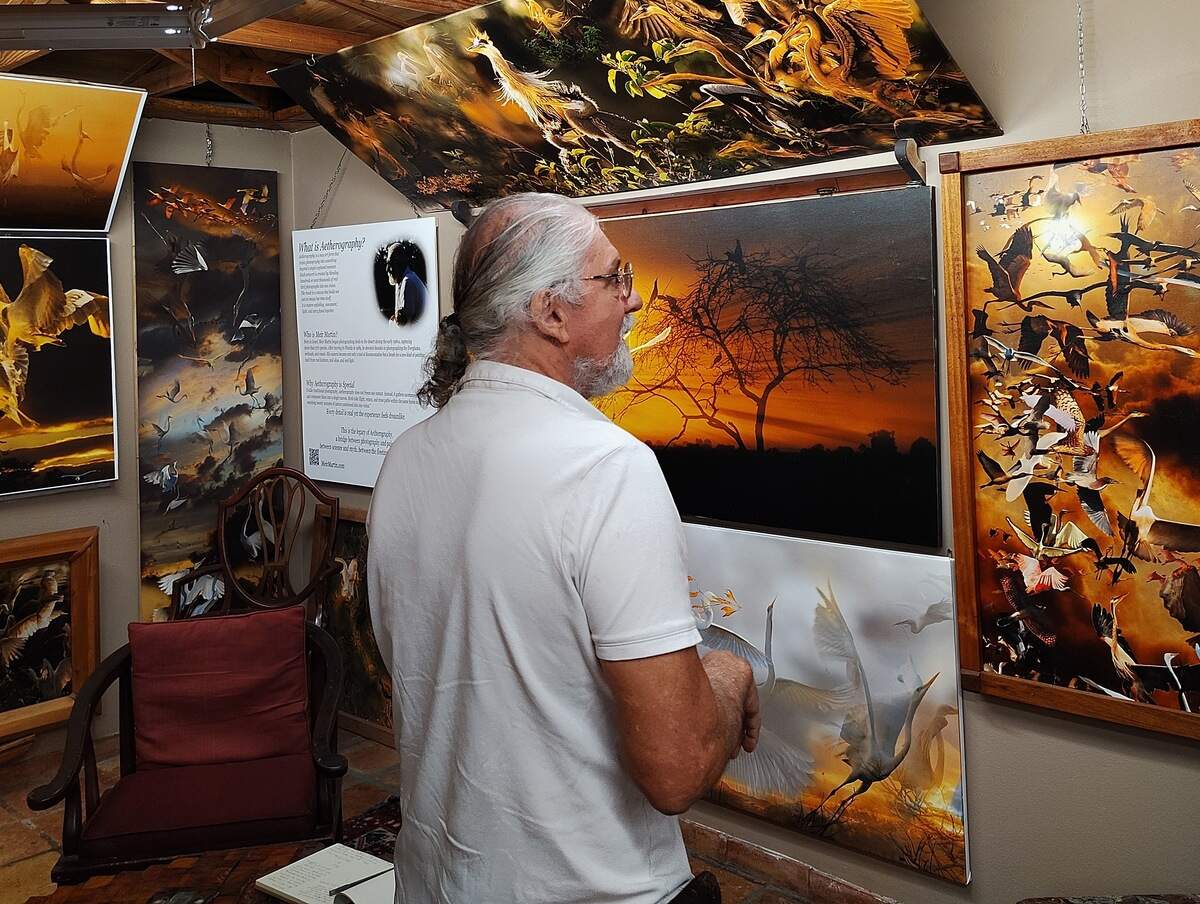
Since his wife’s death in 2023, he has undertaken a mission to turn his home into a gallery for a unique art form of his own creation, which he calls aethography.
It’s been a decades-long journey for the longtime Coral Springs resident, who sat down with the Coral Springs News to speak about how he got to where he is today.
Martin’s backstory
Martin spent his early professional career as a photographer in Israel, with his studio in Kiryat Shmona. While he largely booked contracts for weddings and other major celebrations, he found that his true passion was in wildlife photography.
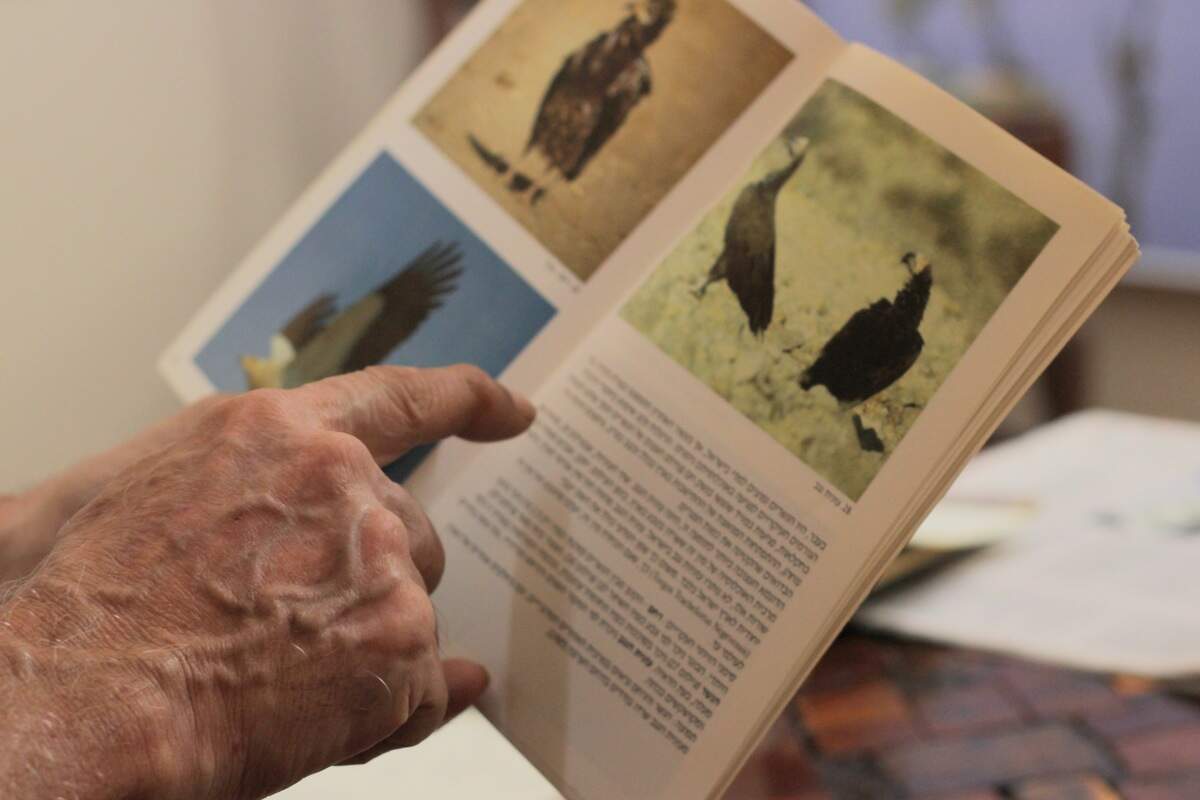
He spent years collecting photos for “Desert Birds of Israel,” a booklet featuring a variety of species that were known to live in the region, including rare species such as the Pin-tailed Sandgrouse, Black Scrub-Robin and Lappet-Faced vulture.
Martin said he decided to leave Israel after he had a falling out with members of the Israeli Social Nature Protection (ISNP). He sold most of his belongings and moved his wife and children to South Florida in 1988.
Although he spent a brief time promoting his photography work, Martin said he had to work to support his family and couldn’t afford to purchase film or equipment to pursue his passion.
He went on to start his own company, PetPeePee, which specializes in removing animal urine and odors from carpet.
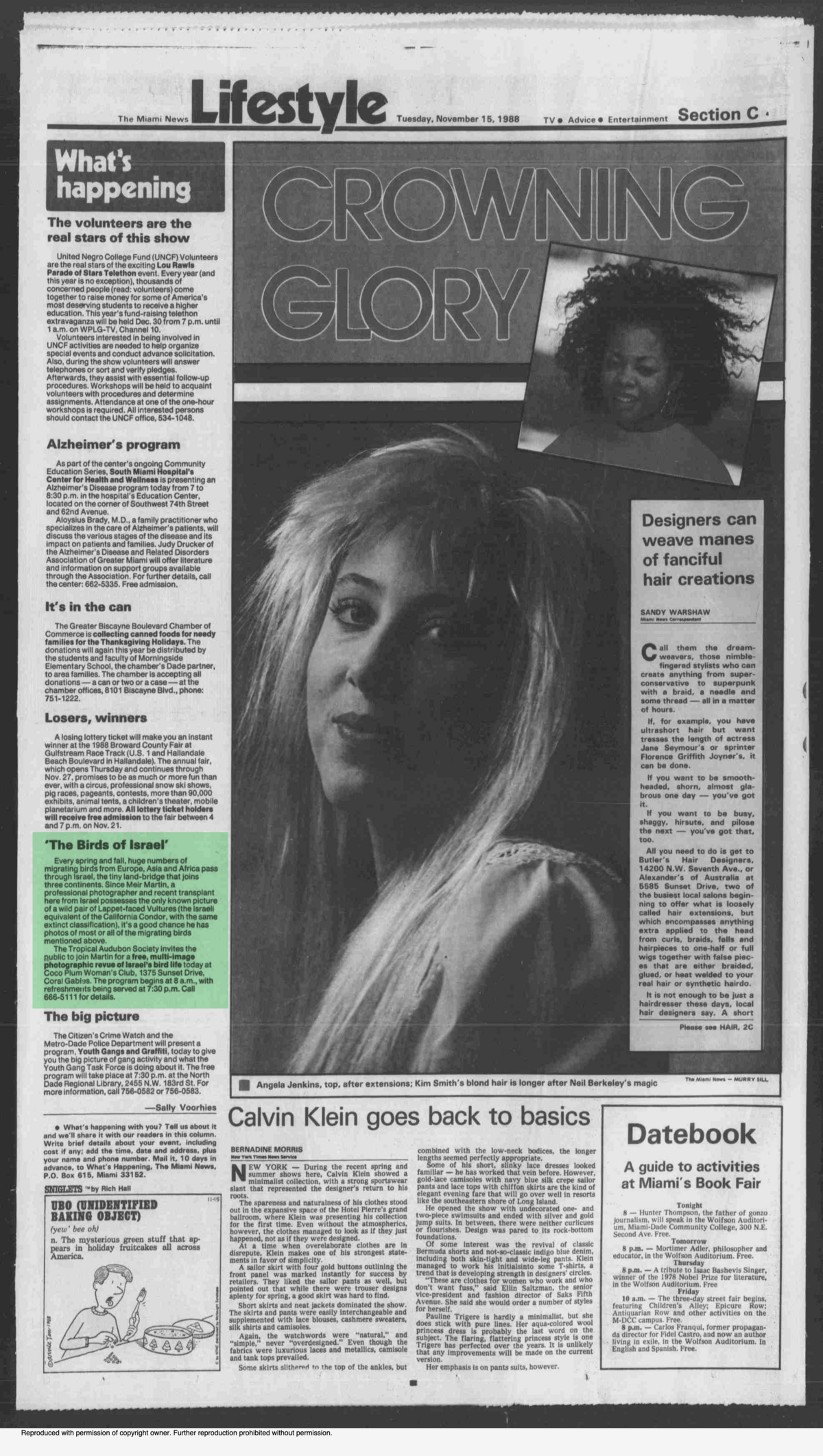
In the mid-2000s, a friend introduced him to digital photography, getting Martin back into the craft.
Martin said he soon grew bored of standard photography and wanted to try something new. His first composites, Everglades landscapes with various flora and fauna, were rejected by fellow photographers.
“The president of the camera club, he said, ‘This is not fine. This is not photography. This is something else,’” Martin said.
“So, I left the club. But I said, I like this style over there. And I start getting motivated. I start making better and better — I become better in Photoshop, I become better in this, and here I am.”

Where he is today
“What the difference between my image and fine art photography, because fine art photography is basically, I take a picture of the bird, I put it on the wall, and I finish the job,” he said. “Nothing else I can do.
“The difference between fine art photography and aetherography, what I create, the concept is I tell you the story.”
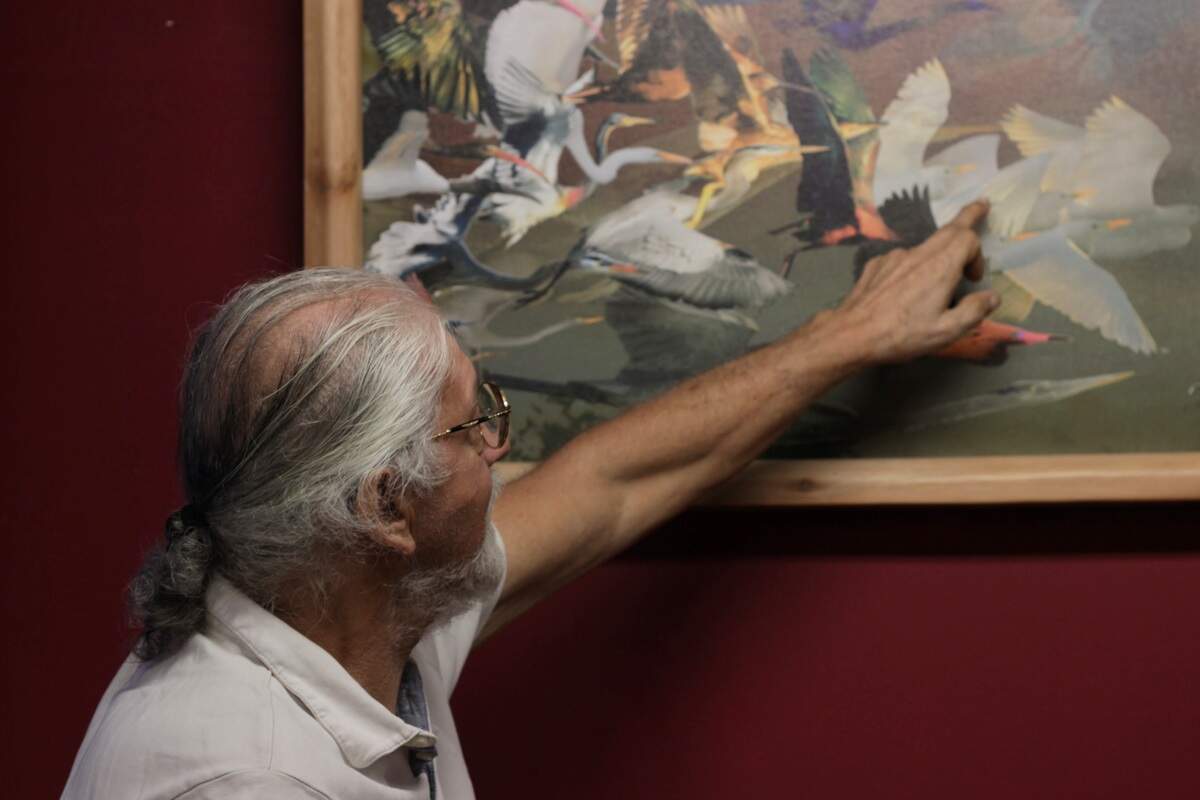
He watches those stories unfold every morning at his favorite parks.
At the Wakodahatchee Wetlands in Delray Beach, other birders greet him by name. He identifies different species for the less-experienced, often with an anecdote about its nesting or migration patterns.
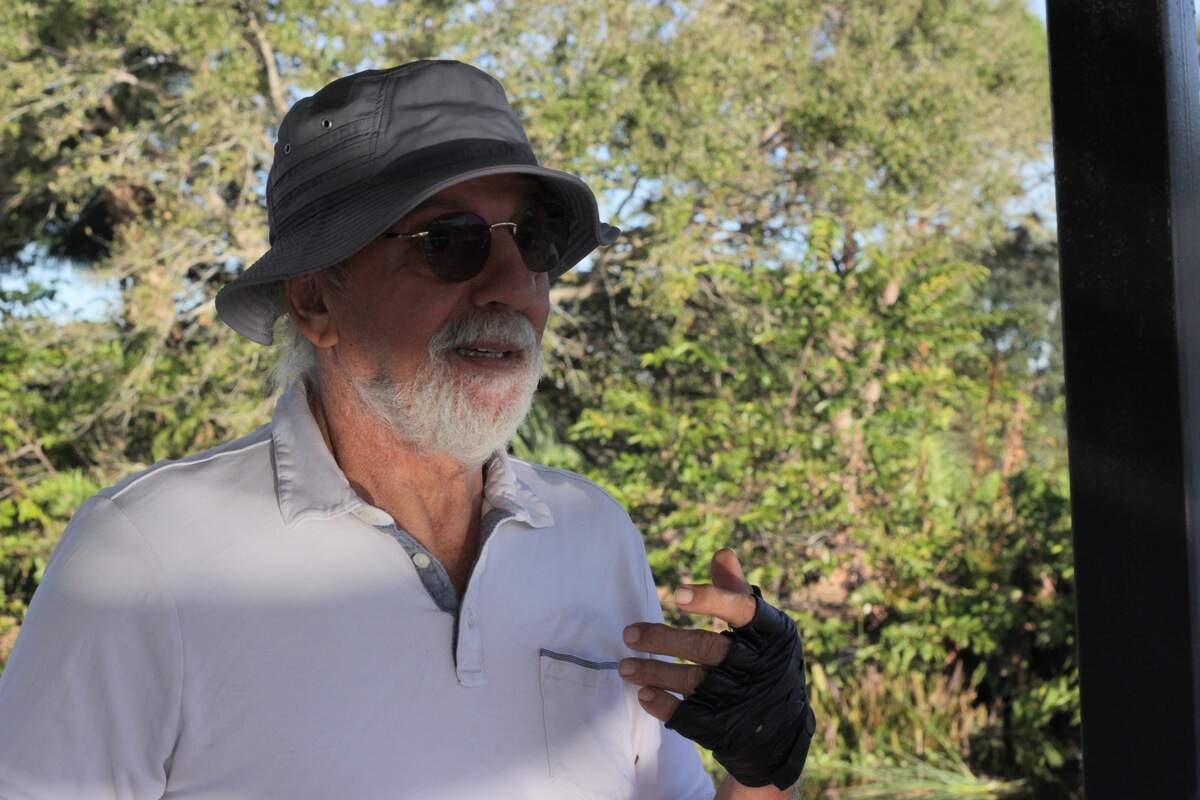
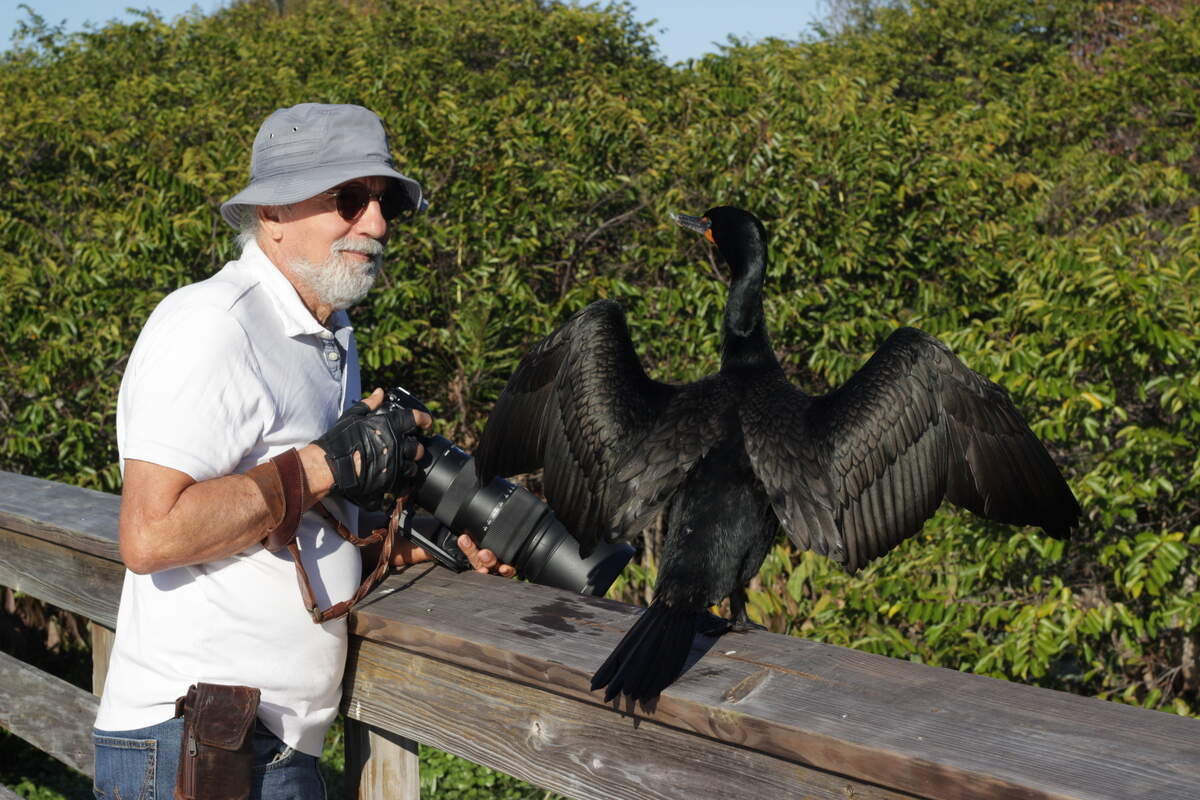
But, for most of the morning, Martin observes. He waits for the moment a bird takes flight, lines up his lens and enters a state he compares to meditation — something transcendent.
“I say to myself, for 30 seconds, I was in heaven,” he said. “I was not here. I was in a different planet.
“You fly into a dream, a dream that you will see the whole world different.”
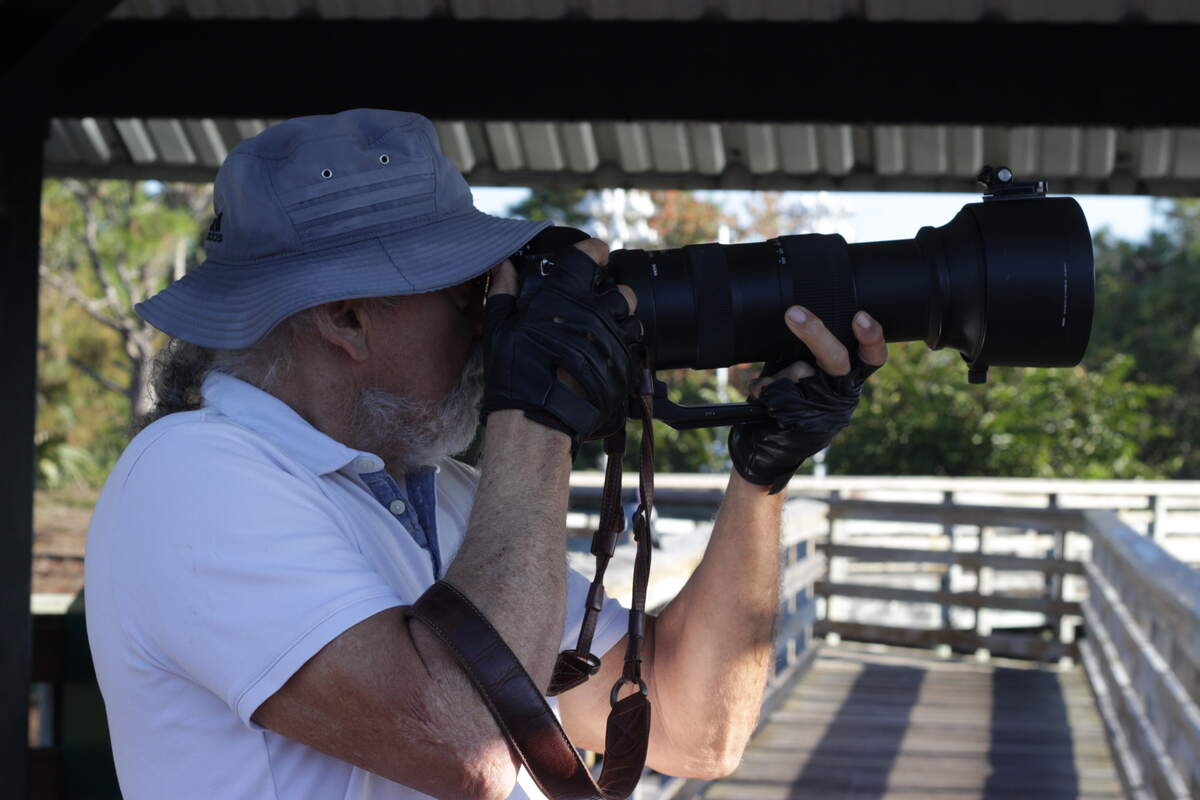
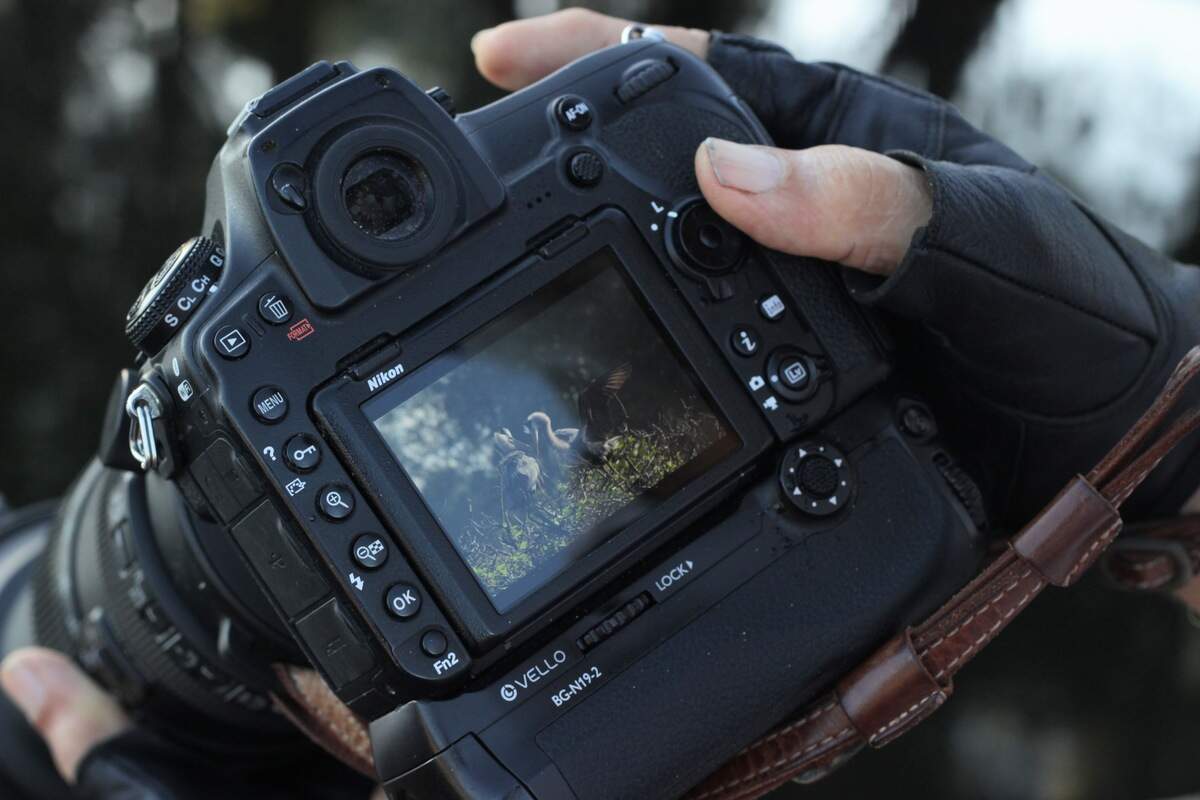
Birds’ wings, in his words, “become light” against the morning sun, displaying their details and vibrant color.
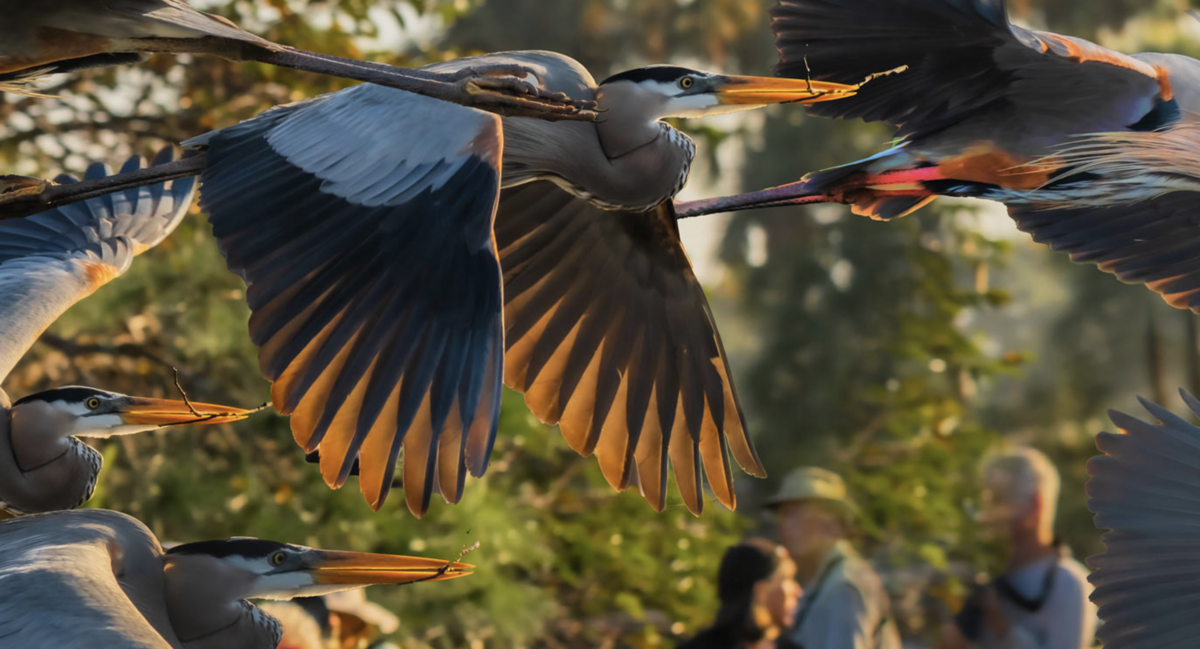
Once the sun has risen too far to get the backlit effect Martin seeks to capture, he heads home.
The editing process takes up the rest of his day.
Martin still uses the same image processor as he did when he started experimenting with digital photography in the 2000s — a program so old that you can hear the internal mechanisms of his multiple hard drives whirr and clank as they try to make sense of it.
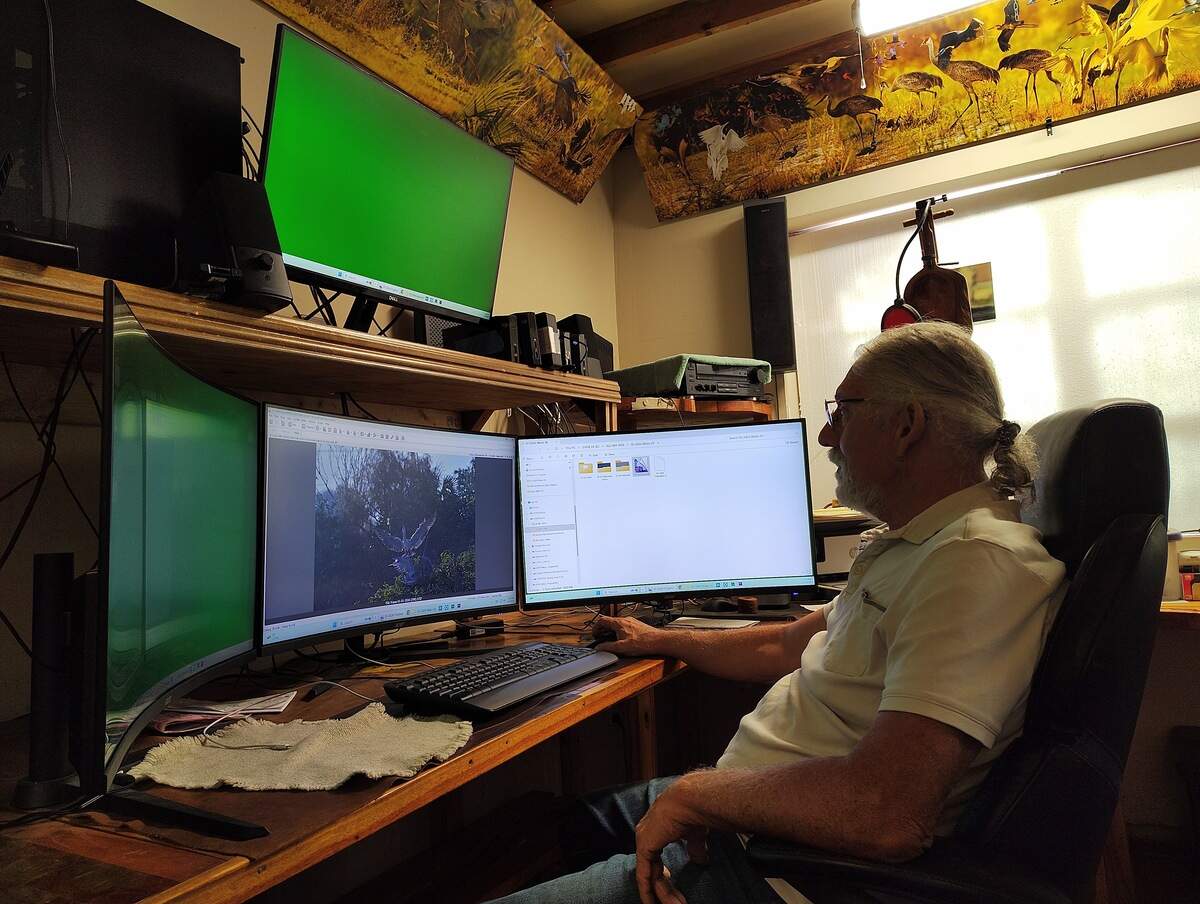
“It’s like I’m drooling. I’m drooling from the happiness.,“ he said of his life, and being able to engage with photography and art again.
“I come to the house at 10 o’clock, for example, after noon in the morning. And suddenly it’s two o’clock in the morning. Suddenly, suddenly it’s two o’clock in the morning. And I said, ‘Come on, you have to go to sleep because you wake up tomorrow at five o’clock, six o’clock. Come on, you have to go to sleep,’” Martin said.
“I love my life. I am free.”