Here’s how proposed property tax reductions would impact Coral Springs
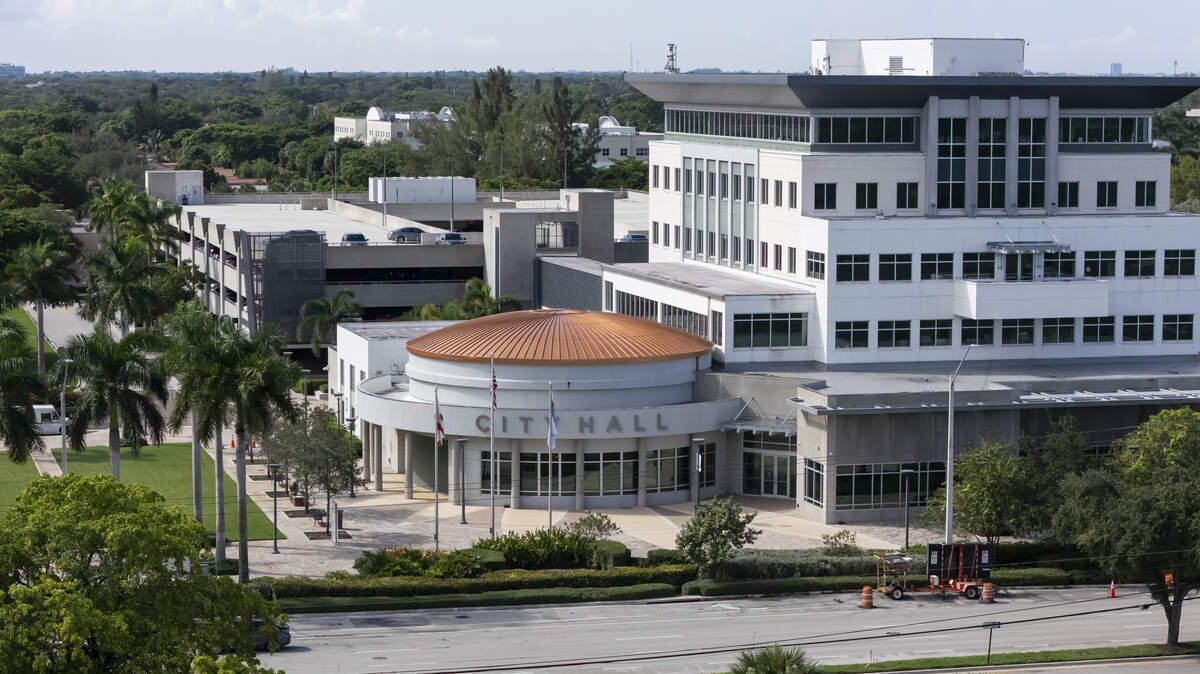
Debate is heating up in Coral Springs as residents and elected officials begin to consider the ramifications of increasing homestead exemptions across the state.
The amendment, named by state officials as the “Save our Homes from Excessive Property Taxes” law, is headed to the November ballot — but what does it actually do?
While some see it as a way to preserve affordability for low- and middle-income families and a strategy for cutting unnecessary municipal spending, others believe it will increase other costs for residents and defund essential services, leaving cities struggling to make ends meet.
Here’s what you need to know in Coral Springs.
The city’s revenue streams
Based on data from the 2025-2026 tax year, the city took in about $92.4 million from all rate-based property taxes, making up almost half of its $191 million budget.
Homesteaded residential properties are the largest revenue stream for Coral Springs, data shows, bringing in around $42 million per year.
Proposed tax reform would more than halve that number, according to research by the Broward County Property Appraisers.
How does Coral Springs spend its money?
Public safety makes up more than half of city expenditures — but according to recent posts, police, fire and emergency medical services will not be on the chopping block if property tax changes are approved.
How much will the average Coral Springs homeowner save?
With an average home value of $303,000, the average Coral Springs homeowner would save about $115 per month in 2027 and $230 per month in 2028 under the proposed legislation.
‘No such thing as a free lunch’
Leaders from Coral Springs and elsewhere have warned residents about potential consequences of approving the amendment.
The city has made its stance clear, launching a website and distributing flyers about the impact on city services. The City Commission has also approved resolutions protesting the proposal.
While different iterations of the property tax reform package were still being considered in the state legislature, the Florida Policy Institute released a report that heralded the move as a “dramatic erosion of municipal revenue.”
“This proposal is not a serious answer to the affordability crisis,” Coral Springs City Commissioner Joshua Simmons wrote in an editorial for the South Florida Sun Sentinel that published Sunday, June 7.
“It is a plan to defund local government, dressed up as a tax break — and as economic reality reminds us, there is no such thing as a free lunch.”
One flyer released by the City of Coral Springs shows where money would be shifted under the new tax rule. In it, funding for police, fire and EMS remains the same, with cuts hitting most other city services. This includes:
- Maintenance and upgrades to parks, recreation facilities, municipal buildings, roads and sidewalks
- City events and programs
- Major construction and infrastructure projects
- Mandatory loan payments
The potential impacts on county services and special districts covering items such as water management, child services and hospitals are unclear.
Other elected officials, including State Rep. Dan Daley, say that they believe the property tax cut is a vanity project for Gov. Ron DeSantis — and a way to deflect from what Daley described as the administration’s failures in another arena: homeowners insurance.
“My hope is that the voters will pay attention,” Daley said during a recent Coral Springs-Coconut Creek Chamber of Commerce luncheon. “What we needed was a scalpel, but what we passed was a shotgun.”
Barring a constitutional challenge, the fate of the “Save our Homes from Excessive Property Taxes” referendum will be up to voters this November. It must reach a 60% approval threshold to become part of the state constitution.