This day in history: 21 years ago, the Goodyear blimp crashed in Coral Springs
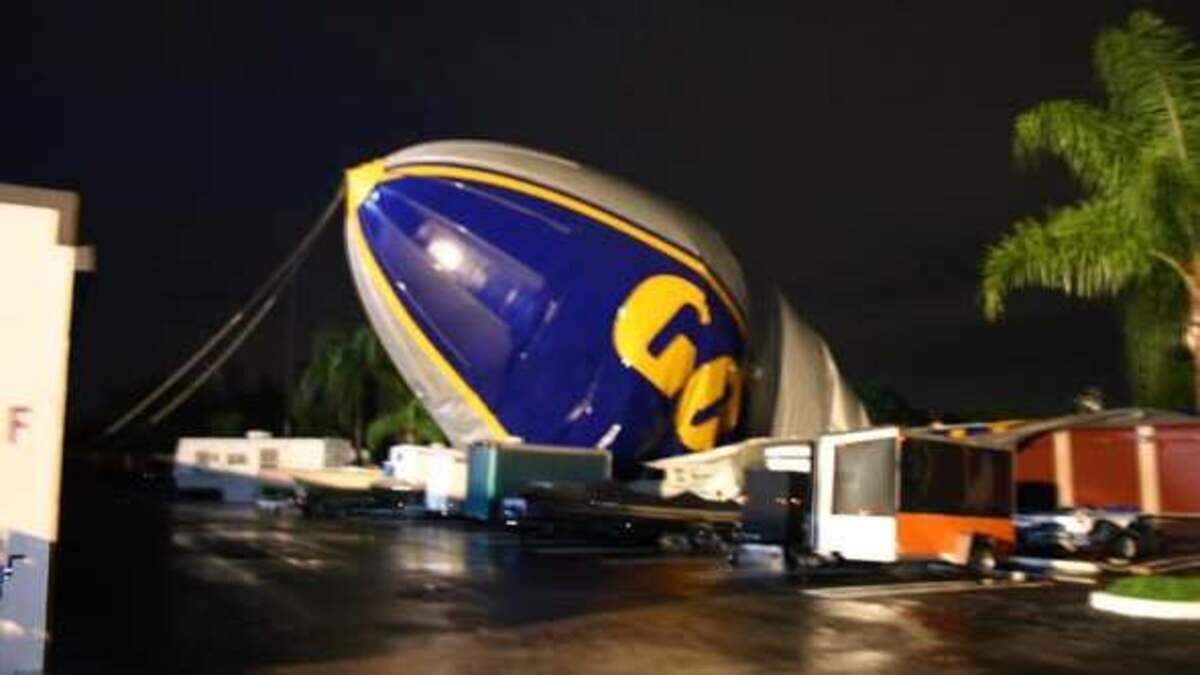
Twenty-one years ago, Scott Buratt looked outside during a powerful storm in Coral Springs and heard a rumbling other than thunder — the sound of a blimp propeller.
“Then we saw that it was going down,” he recalled.
In a seemingly unthinkable sight, the famous 192-foot Goodyear blimp that was a staple at South Florida sporting events plunged from the sky during a storm on June 16, 2005.
No one was injured when the blimp crashed at the Coral Springs industrial park on Sample Road, just east of the Sawgrass Expressway.
“At the time it was one of the biggest events that had happened in Coral Springs,” Coral Springs-Parkland Fire Department Chief John Whalen said.
Here’s what happened that day.
A storm and a crash
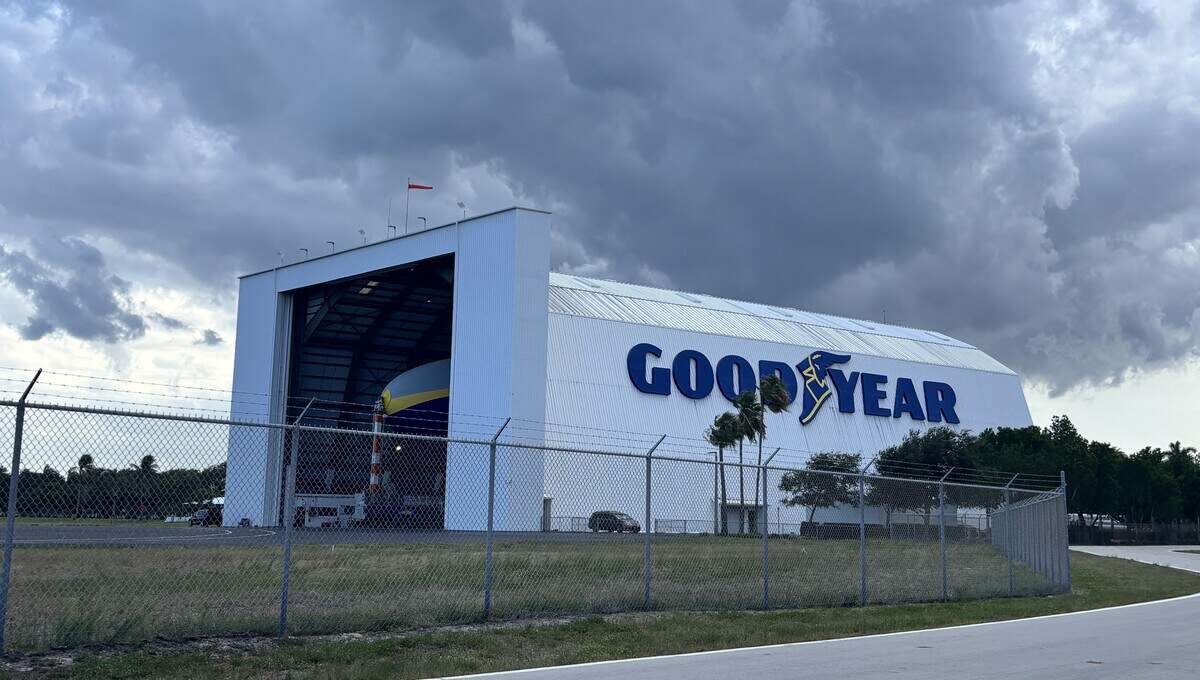
Two pilots lifted off from Pompano Beach Air Park at around 3:30 p.m. and flew to Miami Beach in the Stars & Stripes blimp, one of three Goodyear blimps in the country at the time.
“The weather was good along the coast with a few isolated showers southwest of Miami,” the chief pilot told the National Transportation Safety Board. “At approximately 1725, we were two miles northwest of [Pompano Beach Air Park] when the isolated showers in the area north and south of us appeared to be strengthening. At this time I made a radio call to the base to ... state my intention to land as soon as possible.”
But as they approached, the main pilot saw multiple lightning strikes within a mile of the base and didn’t want to jeopardize the safety of the ground crew, which needed to use a tall metal mast and hold the nose lines to guide the blimp upon landing.
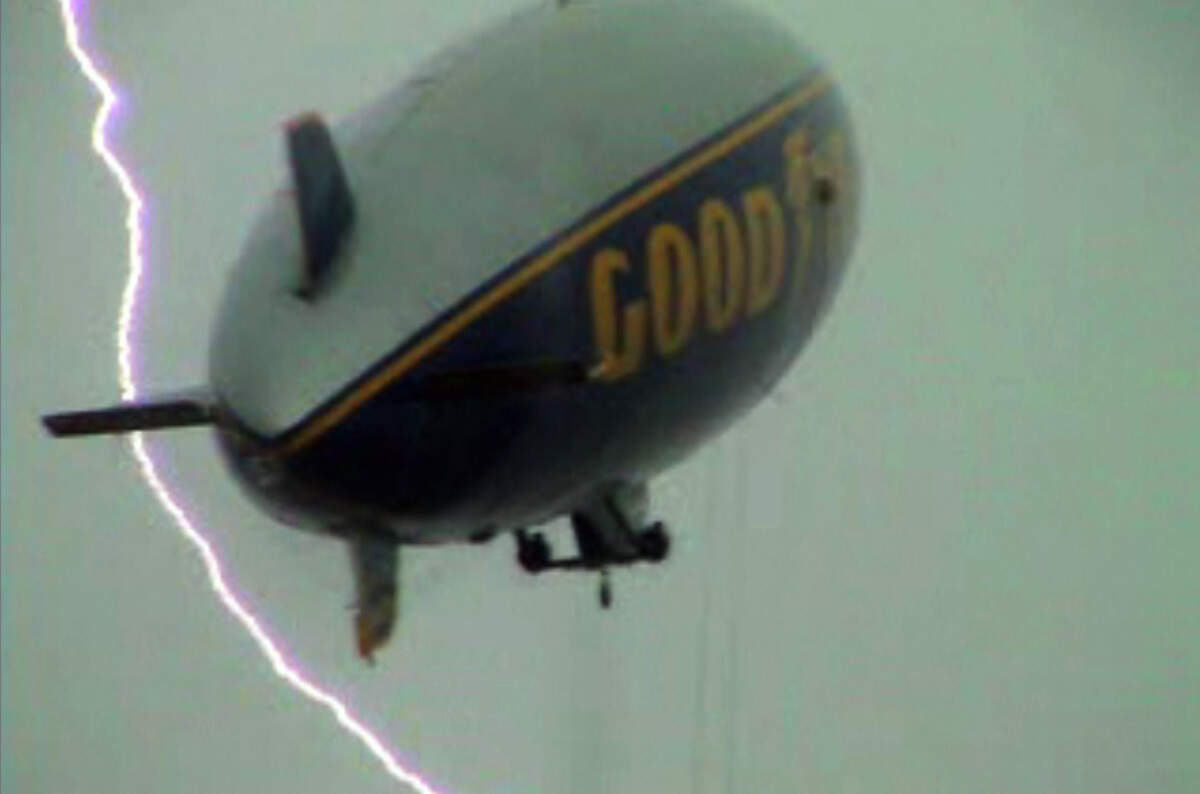
The pilot decided to try to get out of the area and wait for the storm to pass, but it was too late. They encountered heavy rain and lightning, rendering them “unable to climb, make headway or maintain directional control,” according to the NTSB report.
That’s when the 911 calls started coming in.
“I looked to the sky — it appears the Goodyear blimp is going down,” one woman told dispatchers in an emergency recording obtained by the Miami Herald in 2005.
The nose pitched upward as the helium-filled vessel struggled against the fierce winds.
The blimp passed over a Red Lobster on University Drive, giving diners an unexpected show, the Herald reported.
“At first, we thought it was just thunder, but then we saw the blimp,” said Maryann Clark, Red Lobster’s general manager at the time. “It looked like it was trying to land in our parking lot.”
The pilot cranked it up to full-power climb, but the blimp was still being pushed down and backward.
Karen Pearl Kohen told the Coral Springs News she saw the blimp flying over her home by the Coral Springs Country Club and said it was so low, she thought it was going to land on the golf course.
“What was the blimp doing out this far in a storm?” she recalled thinking at the time.
Without complete control, the pilot did his best to avoid houses as the blimp descended, striking power lines and trees before it hit the ground at around 6:42 p.m.
“We jumped in somebody’s car to chase it,” Buratt recalled. “By the time we got around there, it was already closed off by police, so we couldn’t get any closer. But we did see it on the ground.”
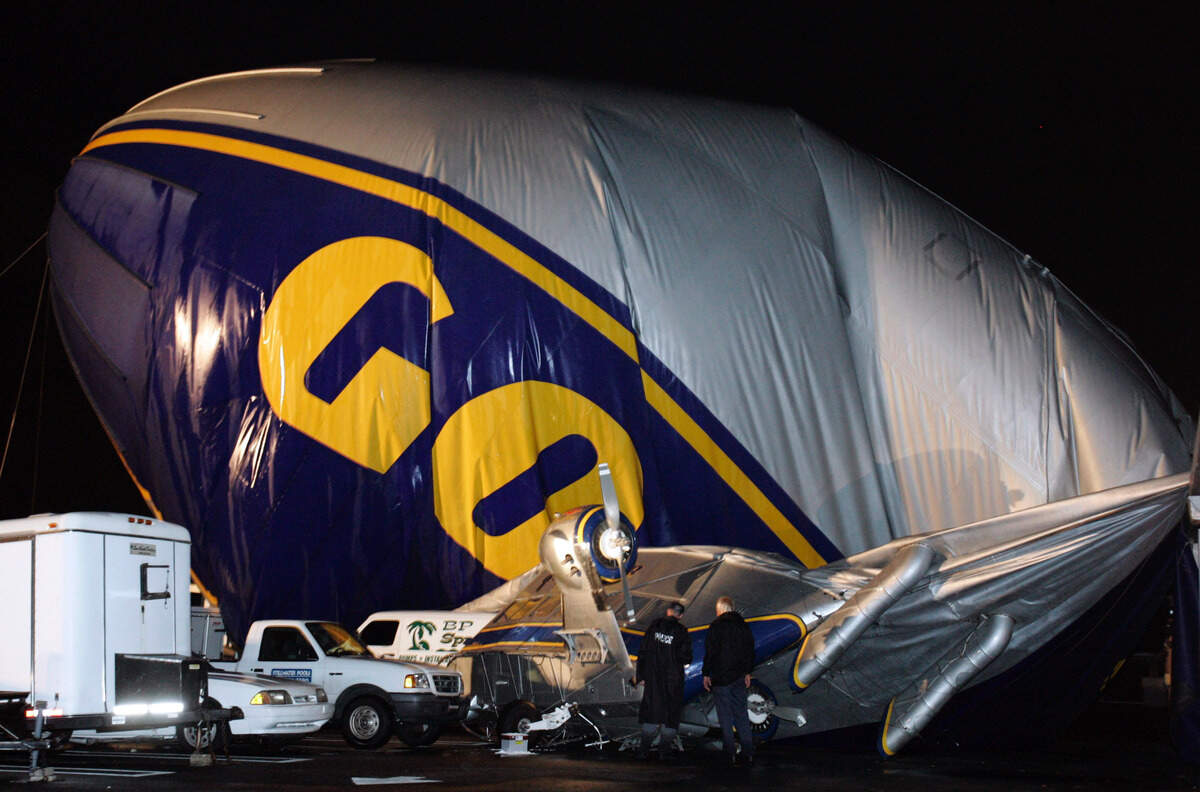
Photos show the giant nose cone sticking up out of the ground, larger than life.
Crash investigation
Fire department personnel told the Coral Springs News that Frank Babinec, former fire chief and city manager, was the shift commander that night.
Babinec was teaching a class at the fire academy when the call came in, spurring them to run out. Whalen recalled all the command staff’s pagers went off for them to respond to the area.
“We wanted to know what happened, was it shot down. We didn’t know,” he said. “It was shocking.”
The two occupants had to spend a few hours in the blimp while crews worked to de-energize the power lines it had struck, but no injuries were reported. First responders were even offered a blimp ride as a thank you, according to the City of Coral Springs.
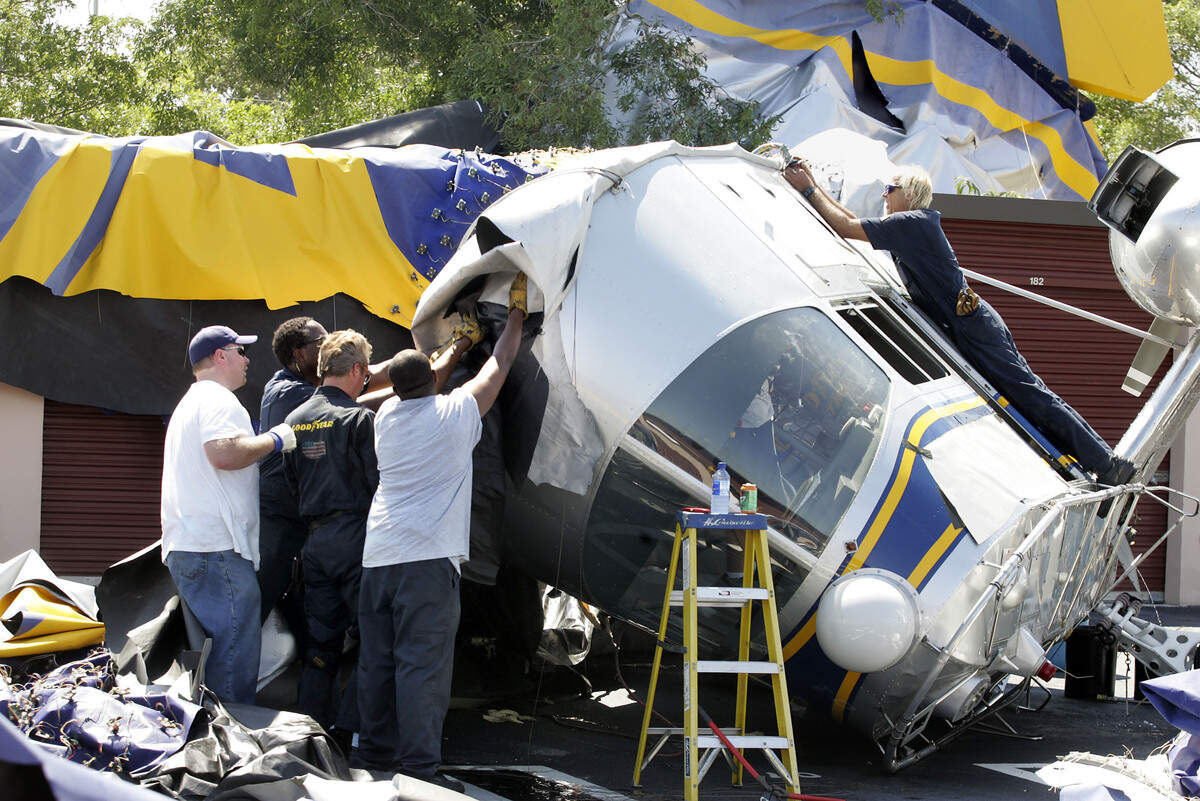
The rare incident made national news.
“It was a major event in what was not, at the time, a major town,” Whalen said.
The NTSB’s report determined the crash was caused by “the pilot’s inadequate in-flight planning/decision which resulted in an in-flight encounter with weather (thunderstorm outflow) and downdrafts, loss of control and subsequent collision with trees and transmission wires.”
Stars & Stripes was decommissioned, as the old fleet was phased out and replaced in the 2010s. Two decades later, the resident of the Pompano Air Park hangar is no longer the Goodyear GZ-20A Stars & Stripes, but rather a larger, newer model called Wingfoot Two.