Meet Coral Springs High educator Jason Freedman, a Broward Teacher of the Year
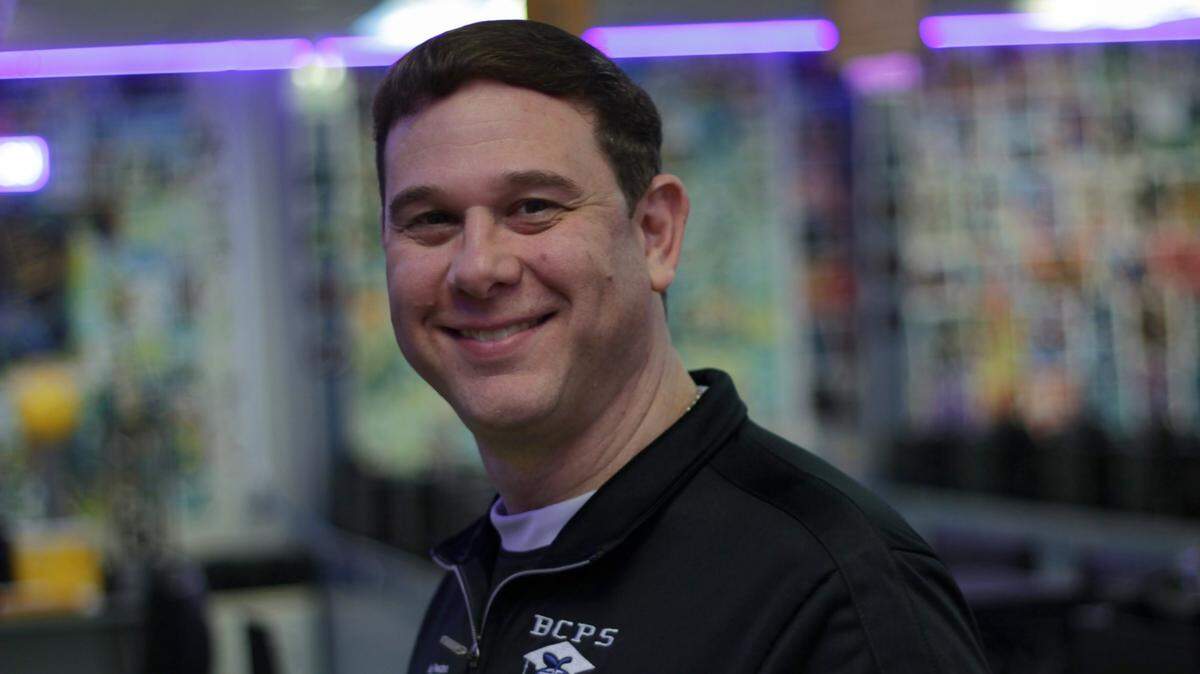
Jason Freedman didn’t set out to become a teacher. He was fascinated with stock trading as a teenager and became a mortgage broker with Wells Fargo after graduating from Florida Atlantic University in the mid-2000s.
A career pivot eventually led him to lead the gaming program at Coral Springs High School, part of its robust career and technical education department. Through it, students have earned college scholarships and entered careers across the tech world — and made lifelong friendships along the way.
It’s one part of why Freedman was recently named Broward County School Districts Career and Technical Education Teacher of the Year.
He agreed to talk with the Coral Springs News and took part in a wide-ranging conversation about his background and the program’s importance in today’s ever-changing tech world.
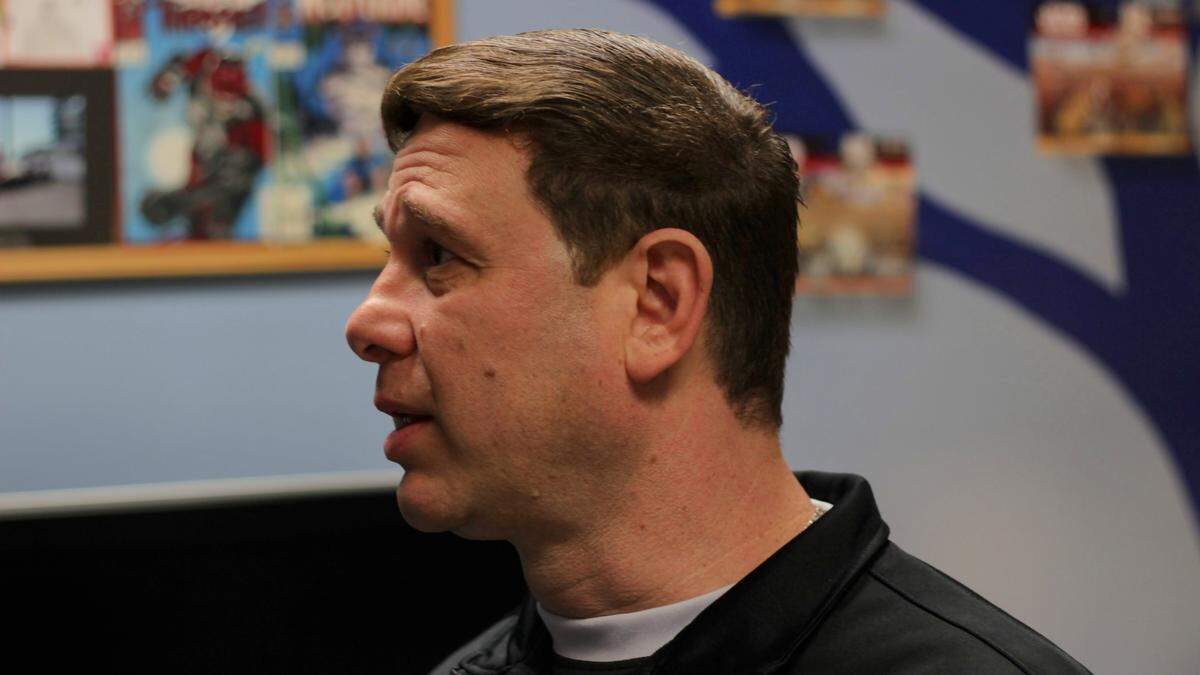
Here’s our conversation with Freedman, Game and Simulation/Animation Programming Teacher at Coral Springs High.
How Jason Freedman became a teacher
Freedman entered the financial market shortly before the 2007 crisis that led to the 2008 recession.
While the bank was doing well, he said he was unsettled by closures across the industry and distressed by the content of his work, which involved frequent calls with homeowners begging him to help them with their mortgages, as they were about to lose “everything.”
“All I could do is throw out a life preserver, but it was really just another brick. It was terrible,” Freedman said. “I would go home and I would have nightmares.”
He got out just before things soured. At first, he was going to become a police officer, but he would have to wait four months to enter the next academy class, he said. His dad, a 40-year educator, suggested he try substitute teaching.
Freedman says he had a “School of Rock” moment.
“I ended up subbing for band [class]. ... I had this captive audience of such amazing, sweet, smart band kids. They just wanted to jam,” Freedman said. “I came home from work and I was like, ‘Could this be like an option for me?’”
Evolution of the gaming program
Freedman went on to substitute teach at Hollywood Hills and Coral Springs high schools, eventually landing a longer-term position at the latter filling in for a business and finance teacher on maternity leave.
There wasn’t a full-time job available for him after that, though. So, when a former principal approached him to try an experimental gaming course, he jumped at the opportunity.
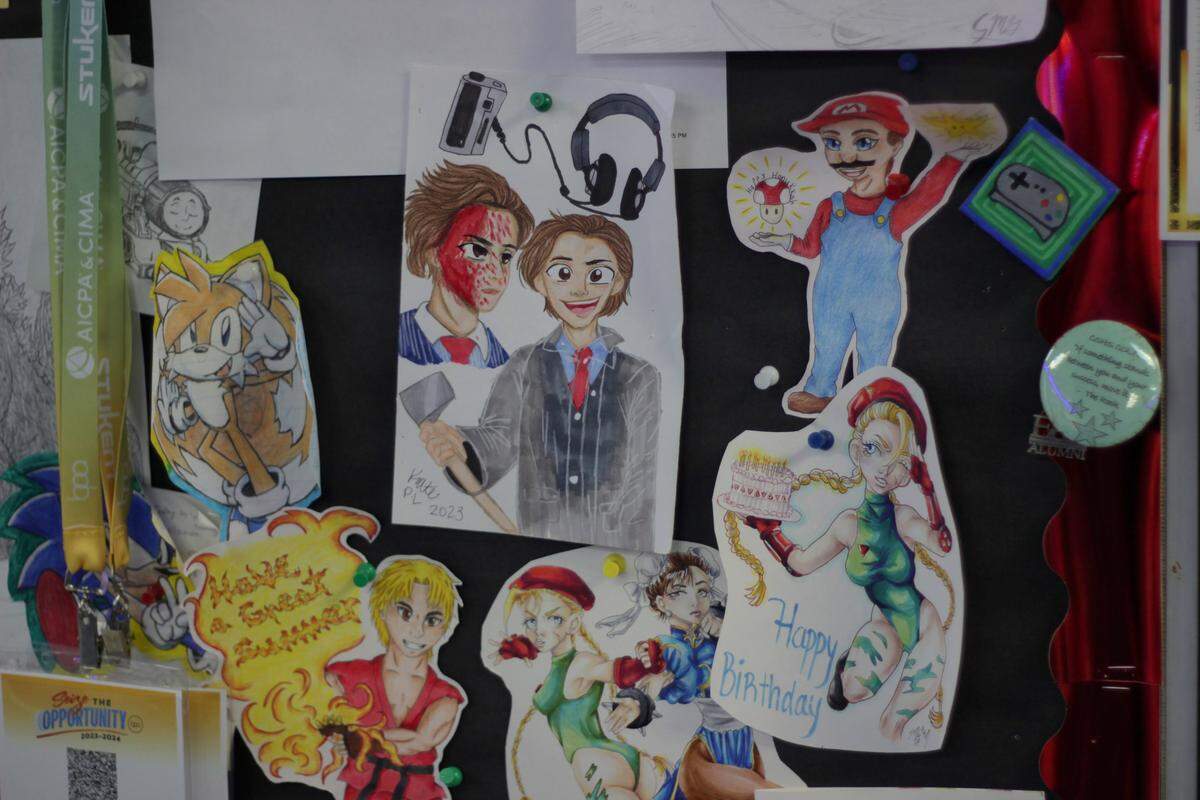
“Somebody literally handed me a textbook, and they said, ‘This is what we’re teaching, and you need to learn how to make all these games,’” Freedman said. “So I went home and ordered a pizza and started programming.”
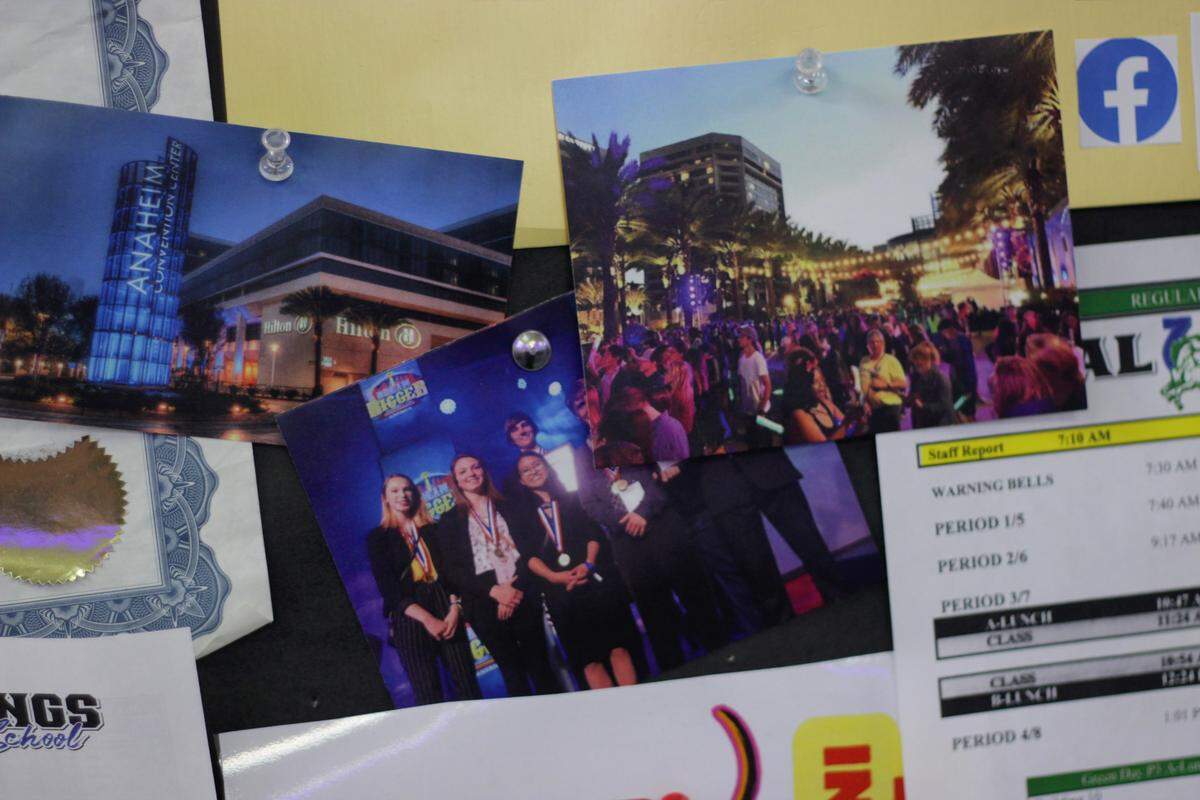
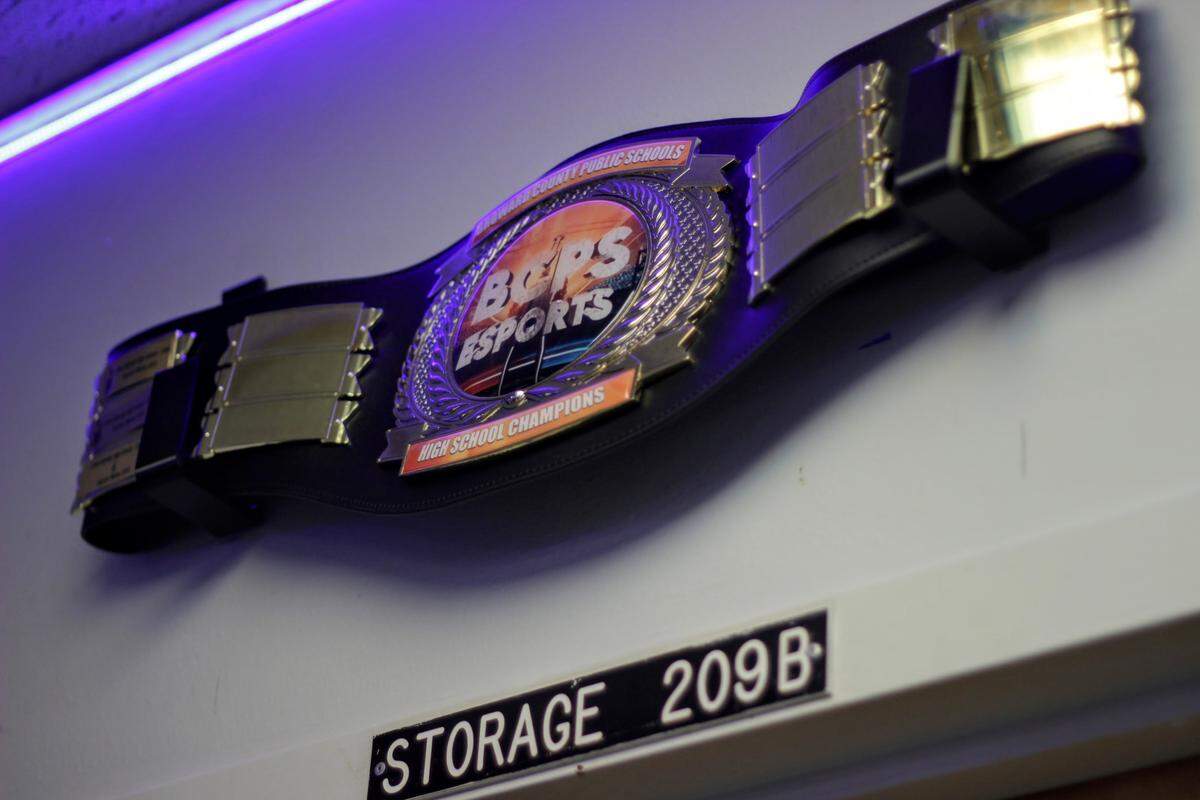
That was 2012. Since then, the program has become the largest in South Florida, winning competitions for game design, animation, web design, typing, finance, entrepreneurship and tech.
These days, Freedman also teaches courses at the district’s technical college.
“If I taught the same thing every single year, I would be so bored,” Freedman said. “I like being challenged. And I think the kids like being challenged, and I think they like to learn the new stuff.”
Impact on students
In the first levels of the class, students learn basic programming skills and make simple games. As they build their skills, projects get more difficult. Making mistakes is encouraged.
“I am so big on failure. Failure is so important, because if you’re always successful, when you finally fail, you’re not going to know what to do with yourself,” Freedman said.
His end goal isn’t to get as many students as possible into the game design industry. Instead, he wants something broader, he says.
“I do that trick where, like, I just hide the vegetables. That’s it. Like, we’re making video games, but you are also going to learn how to get really, really good at using a computer. You’re going to get very good at self-reliance,” he said.
Students also take exams for certifications in programming and design skills, which can be used for college credit or to help them secure a job.
“It’s all about exposure,” Freedman said. “The truth is that in this class, I want them to learn how to make video games. That’s great. But I would prefer them to go into a career in artificial intelligence, for them to go into cyber security. I would like them to go into something that there’s going to be jobs, money.”
That includes jobs with the U.S. military. Various branches have hosted e-sports competitions and encouraged students to consider using the skills they develop — hand-eye coordination, situational awareness, teamwork — in the real world with drones and battleships
Following the COVID-19 pandemic, the program took on a new, more immediate purpose, too.
“We came back and [the students] were really messed up,” Freedman said.
He used to turn away kids who wanted to use computers and gaming consoles but weren’t in the program. Seeing the pandemic’s impact changed that — and he’s proud of what he’s seen.
“This needs to be for everybody. This needs to be a safe place,” Freedman said. “It’s important that they have each other, and it’s important that they come out of their caves and meet people and socialize, because being alone is lonely and it’s depressing and it’s dangerous, and they have to have each other.”