Twenty-six years later, killer of Coral Springs mom, daughter set for execution
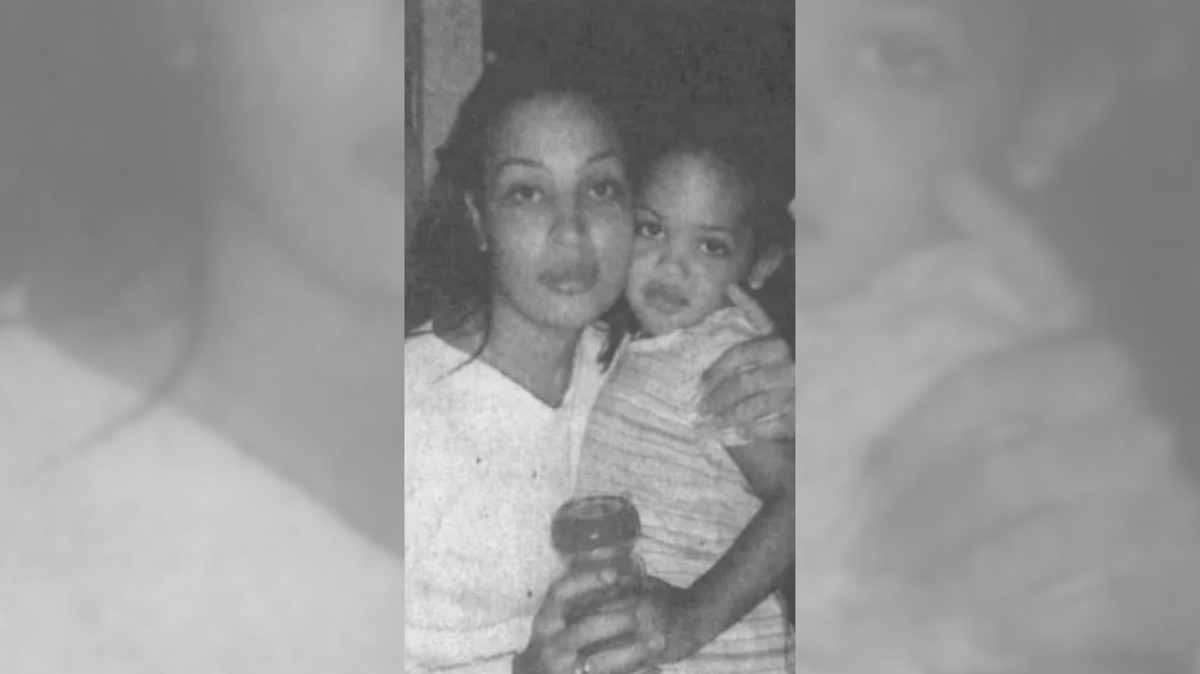
Over two decades after the murders of Hanessia Stephens and her 4-year-old daughter Odessia Mullings in their Coral Springs apartment, their convicted killer is scheduled to be executed.
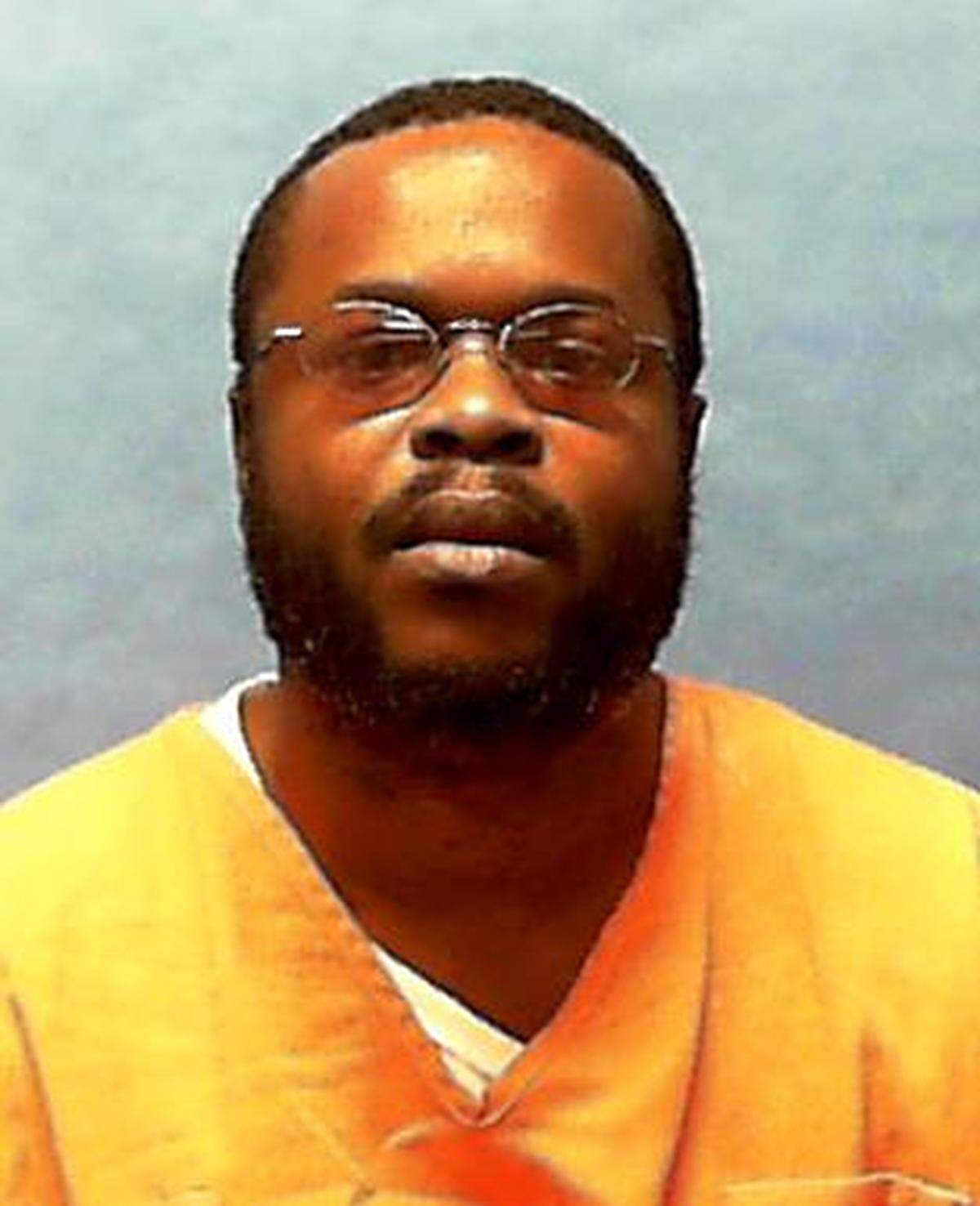
Richard Knight, 47, was found guilty of stabbing the 24-year-old mother and her daughter to death after Stephens told him that he could no longer live with her and her boyfriend, Odessia’s father Hans Mullings.
According to court transcripts and reporting by the South Florida Sun Sentinel, the crime devastated Hans Mullings and other family members. Following their emotional testimony, a jury unanimously sentenced Knight to death in 2006.
Knight’s final appeal denied
Knight’s most recent appeal, filed April 24, cited an unidentified fingerprint on one of the knives used in the June 2000 murders, as well as a history of unaddressed head trauma.
Florida’s Supreme Court denied the request on April 27, saying that the jury that convicted him was aware of both of these facts and still found him guilty, and that the evidence his attorneys presented was unlikely to lead to acquittal or a lesser sentence.
Knight’s attorneys also argued that the state’s lethal injection procedures are unethical and unconstitutional, as they can involve multiple failed attempts to inject the three-drug execution cocktail, even cutting into a patient without anesthesia to insert IV lines into their veins.
Judges denied the claim on procedural grounds.
The death penalty in Florida
Nearly two decades after his conviction, Knight will be the seventh individual to be executed in Florida in 2026, and the 132nd inmate killed since the death penalty was reinstituted in 1976.
The state has reached an all-time record of yearly executions under Gov. Ron DeSantis, who says he has accelerated the process to deter future crime and bring justice to victims’ families.
It’s part of a larger spike in states’ use of capital punishment, which placed the U.S. — which nearly doubled executions from 2024 to 2025 — alongside Egypt, Kuwait and Singapore on a recent Amnesty International report.
Authors wrote that DeSantis fostered a “flawed perception of the death penalty and publicly linked the unprecedented number of executions that he authorized to delivering justice and deterring crime.”
According to documents released by the National Institute of Justice and the United Nations, the death penalty does not serve either of these purposes, and is supported by years of statistical research.
A 2005 study published in the Michigan Law Review found that “executions deter murder in a few states, have no impact in a few more, but increase murders in many more states than the number where there is deterrence.”
“In the capital punishment literature, an increase in murders because of executions is often referred to as a ‘brutalization effect,’” authors wrote. “Executions create an atmosphere of brutality that spurs criminals to more violence.”
Public opinion has also shifted on the death penalty, according to Gallup polls, with about 55 percent of Americans supporting the punishment for convicted murderers — a five-decade low. Analysts also noted partisan and generational divides on the issue, with far more Republicans than Democrats in favor of the policy, and more of Gen Z and Millennials opposed.
.png "Americans-Support-for-Death-Penalty-Remains-Steady (1).png")
This follows a broader trend of Americans shifting towards addressing social problems to combat crime, rather than law enforcement alone, according to a 2025 Gallup inquiry.
What’s next?
Knight’s execution is scheduled to take place at 6 p.m. on Thursday, May 21, at the Union Correctional Institution in Raiford.
Florida has 258 prisoners on death row as of May 20. Two, including Knight, have signed death warrants and execution dates.