The ‘Kidfluence’ Shift is Changing How Families Plan Vacations — Here’s How to Use It
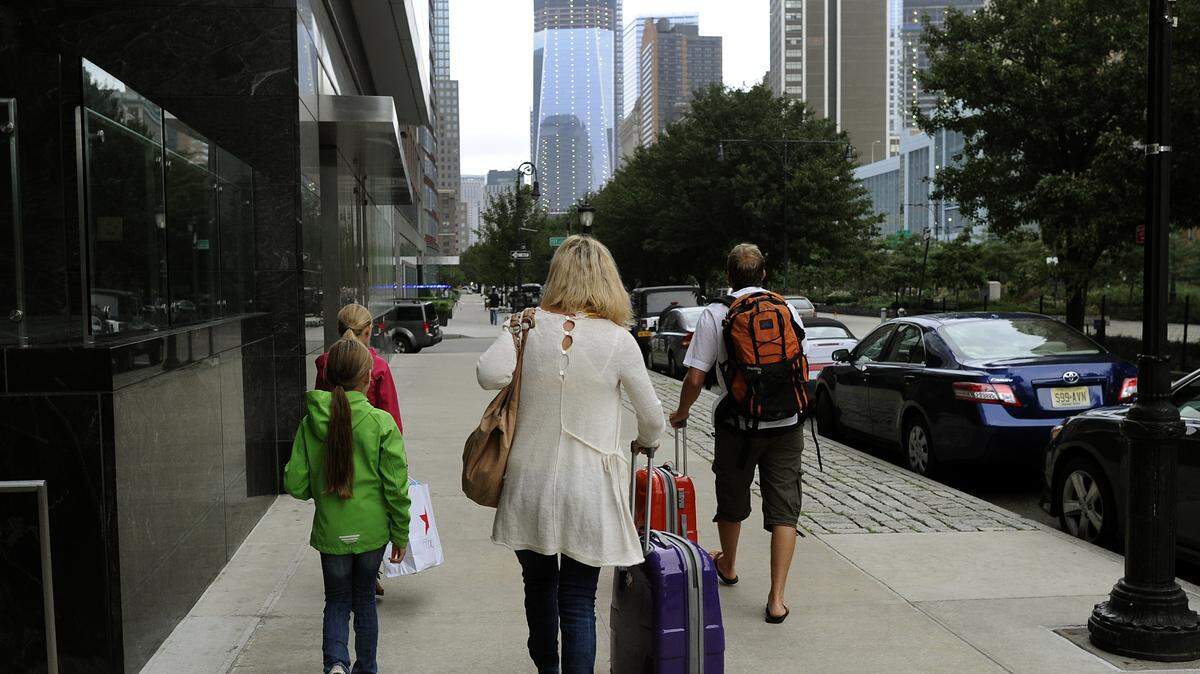
Family trip planning used to be a top-down affair: parents picked the destination, booked the hotel, built the itinerary. Kids showed up. That dynamic is breaking down fast.
According to the 2025 U.S. Family Travel Survey by the Family Travel Association, NYU, and Good Housekeeping, 92% of parents say they plan to travel with their children in the next 12 months — the highest intent level since the pandemic. And a growing number of those parents are handing kids real influence over where and how the family travels.
Anna Abelson, adjunct instructor at the NYU SPS Jonathan M. Tisch Center of Hospitality and co-author of the survey, calls it “kidfluence.”
“Our survey confirms an important shift in family dynamics toward ‘kidfluence,’ with children now serving as true ‘co-pilots’ in trip planning,” Abelson said. “The positive results of involving them are clear: 84% of parents report it makes their kids more adaptable and open to new experiences. Sixty-one percent of parents reported that involving children in travel planning has a positive impact on their child’s happiness and engagement during the trip.”
That data point alone is worth sitting with. Letting kids weigh in on the plan doesn’t just keep the peace; it shapes how they experience the trip once they’re on it.
What this looks like in practice
Start with a family meeting before booking anything. Ask each person, kids included, what they want to do or see. This prevents resentment later and taps into that kidfluence dynamic the research supports.
Abelson noted that this generation of young travelers is “highly digitally native, finding inspiration via social media and digital platforms. The planning experience is evolving rapidly, driven by the next generation’s input and the digital tools available to their parents.”
So your kids may already have a destination Pinterest board or a TikTok saved folder. Use that.
Picking a destination that actually works
Consider the ages of your kids when choosing where to go. A toddler and a teenager have different stamina, different interests, different tolerance for museums. Look for destinations with a mix of activities that serve both adults and children.
Per Condor Ferries’ 2025 family travel statistics, 70% of families prioritize amenities for children when choosing accommodation. That’s a strong signal: where you stay matters as much as where you go.
“Although beach vacations are most popular among families, parents are more likely to plan city (36%) and national or state park visits (37%), while grandparents lean into museum and cultural trips when it’s just them and the grandkids (40% skip-gen),” said Lexie Sachs, Executive Director of Strategy and Operations at the Good Housekeeping Institute.
The takeaway: beaches aren’t the only option. Parks and cities are pulling strong interest, and skip-generation trips (grandparents traveling with grandkids, no parents) are carving out their own lane.
The money question
The average American family spent around $8,052 on travel in 2024, per the 2025 U.S. Family Travel Survey. That’s a real number. Add a 10-15% buffer for unexpected costs — a sick day, a lost bag, an impromptu ice cream stop that somehow costs $47.
A few ways to stretch that budget: book lodging with a kitchen to cut dining costs, look into family passes for museums, parks, and transit, and consider vacation rentals through Airbnb or VRBO, which are often cheaper and more practical than hotels for larger families.
Flying? Midweek flights tend to be cheaper and less crowded. Just be sure to book seats together at checkout — don’t assume the airline will seat your family together automatically.
Build the itinerary around energy, not ambition
Overscheduling is the most common family travel mistake. Lock in your accommodations and any major ticketed attractions, then leave the rest flexible. Build in rest time every afternoon, especially for young children.
Handle logistics early: check visa requirements for all travelers (kids and even babies need their own passports in most countries), consider travel insurance, and pack a dedicated kid bag with snacks, activities, chargers, and any medications they might need.
The part no one puts on the itinerary
Something will go wrong. That’s part of the trip. Kids often remember the funny disasters more than the perfect days.
Build in low-pressure time: a morning at the hotel pool, a slow walk with no destination. The moments you don’t plan for tend to become the ones everyone talks about at dinner six months later.
The shift toward kidfluence isn’t a gimmick. The data backs it up, and the families doing it are reporting happier, more engaged kids on the road. The planning just looks different now — more collaborative, more flexible, more driven by what everyone in the group actually wants to do.
This article was created by content specialists using various tools, including AI.